Security | Threat Detection | Cyberattacks | DevSecOps | Compliance

Agent Incident Response: Containment Is the Easy Part

Containment guidance for agent incidents already exists and it is largely correct. Revoke the tokens, freeze the orchestration tier, cut egress, set the vector store to read-only. Those steps take minutes and any competent team will find them. ‍ The difficulty sits either side of containment. Deciding what kind of incident this is takes longer than stopping it, establishing what the agent did before you stopped it takes longer still, and both depend on preparation that has to exist beforehand.

Steps to Recover from Ransomware Attacks Efficiently

A ransomware attack can stop business operations in a very short time. Files may become locked, systems may go offline, and employees may lose access to important tools. In some cases, attackers may also steal data before blocking access to it. Recovering from ransomware takes more than simply restarting computers. Businesses need a clear plan for containment, investigation, data recovery, system repair, and future protection. A rushed response may make the damage worse or allow attackers to return.

How to Improve MTTR: A Practical Guide for Security Teams

A critical alert enters the SOC queue during the overnight shift. By morning, the dashboard shows an acceptable headline MTTR because the incident was closed quickly after an analyst finally picked it up. The timeline tells a different story: the alert sat unassigned for nine hours because severity routing sent it to the wrong queue. The team optimized the visible number while leaving the dangerous delay untouched.

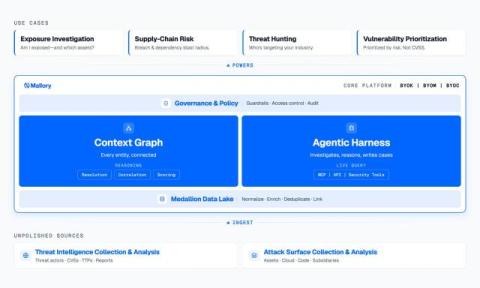
Mallory Unifies Threat Intelligence, Exposure Context, and Response Into One Architecture for Security Teams

As AI-assisted attackers compress exploitation timelines to hours, Mallory turns live adversary intelligence into prioritized, policy-governed action across the tools security teams already run.