Security | Threat Detection | Cyberattacks | DevSecOps | Compliance

What Is API Token Hijacking? Steps to Detect and Stop the Attack

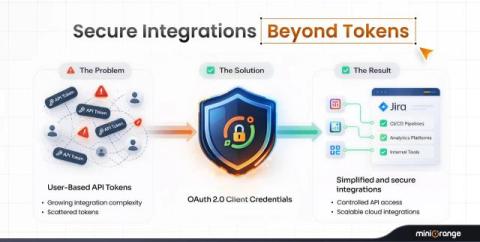
An API token is like a small digital key that tells a system that a user or an app is allowed to act in the system. When this key gets stolen, attackers act as real users and misuse the account. It’s called API token hijacking, and this issue has grown in the last few years. Most companies are not able to detect this problem in time. It’s important for IT/security teams to understand token theft to respond quickly and build stronger protection for future attacks.

2026 API and AI Security Predictions: What Experts Expect in the Year Ahead

This is a predictions blog. We know, we know; everyone does them, and they can get a bit same-y. Chances are, you’re already bored with reading them. So, we’ve decided to do things a little bit differently this year. Instead of bombarding you with just our own predictions, we’ve decided to cast the net far and wide. We’ve spoken to cybersecurity experts from around the world to answer what’s, for us, the most pressing question of all.

React2Shell: The Frontend Vulnerability That Unlocks Your Internal APIs

The cybersecurity world is currently buzzing about React2Shell (CVE-2025-55182), a critical remote code execution (RCE) vulnerability affecting React and Next.js. The scale of the threat is massive: researchers have already identified over 77,000 vulnerable IP addresses exposed to the internet, and confirmed that state-sponsored actors and opportunistic crypto miners have already breached at least 30 organizations. But if you look closely, this isn't really a story about React.

CISO Workshop on API Threat Modeling: How to Use STRIDE to Predict, Prevent, and Protect

Threat modeling is a critical function for effective cybersecurity and threat models must adapt to emerging threats. As API deployments grow across organizations, cybersecurity teams need to extend their threat modeling to include the API attack surface. In this webinar, we'll examine threat modeling best practices for APIs, focusing on the STRIDE methodology. Attendees will learn.

How Salt Security & AWS Simplify API Security

See your Blind Spots in Minutes, not Months: How Salt Security & AWS Simplify API Security AI agents and cloud-native architectures have unleashed a wave of APIs and with them, new attack surfaces. Most security teams are struggling to keep up, especially in dynamic AWS environments where shadow and zombie APIs can easily go undetected. This Salt Security and AWS webinar explores a better approach to API discovery and security in AWS without the burden of in-line traffic collection or sensor deployments.

When Al Agents go Rogue: What you're Missing in your MCP Security

No Fluff, Just Real-World Threats This isn’t your typical marketing webinar. We cover what Agentic AI actually looks like in production, how MCP servers work to broker instructions, and what kind of new threats are emerging. Agentic AI isn’t coming. It’s already here. Autonomous agents are now operating in production environments, reasoning, remembering, and taking real actions across your systems. They’re not just generating content. They’re triggering workflows, modifying records, and making decisions. And they’re doing it over APIs.

Securing Agentic AI: Visibility and Protection for MCP Servers and A2A Traffic

AI agents aren’t just talking, they’re taking actions. They’re booking transactions, pulling sensitive data, and chaining tools together to get work done. As enterprises embrace these agents, protocols like the Model Context Protocol (MCP) and Agent-to-Agent (A2A) are enabling powerful new capabilities, but also creating invisible ecosystems of API-driven agent activity that traditional security tools can’t see or control.

You Can't Have AI Security Without API Security

For most leadership teams, the question is no longer if they’ll use AI, but how to turn it into measurable business value. Success hinges on the APIs that feed, govern, and scale AI initiatives — and whether your strategy is built for speed, security, and cost efficiency. From accelerating product development to delivering real-time customer experiences, the business case for AI is clear. But without the right API strategy, AI initiatives risk falling short — driving up costs, creating compliance gaps, and limiting ROI.

The Business Logic Paradox: Hackers Are Your Best Architects #businesslogic #cybersecurity #api

Here is the truth: To exploit Business Logic Abuse, hackers must understand your application flow holistically. Your individual developers focus on clean code within their one block. The attacker studies the entire blueprint and finds the gaps and missing connections between those blocks. They are committed-spending months on reconnaissance to know your product better than your own team. You must adopt the attacker's mindset in your design stages!

The CISO's Al Dilemma: How Security Leaders Are Making or Breaking Their Company's Future

AI agents are transforming how leading companies operate, delivering 24/7 customer service, processing thousands of transactions, and driving unprecedented operational efficiency. 53% of organizations are already deploying AI agents for customer-facing tasks, with market leaders running hundreds or thousands of agents to gain a competitive advantage. These agents handle sensitive data, trigger transactions, and make autonomous decisions at machine speed. But the APIs that power them are becoming a vast, overlooked attack surface.