Security | Threat Detection | Cyberattacks | DevSecOps | Compliance

What is Web Scraping and How It Works?

Confused and want to know what in the world web scraping is and how it works? Well you’ve come to the right place because we’re about to lay down everything for you. Before we dive in, I can already tell you the short version: Web scraping is the process of extracting publicly available data from a website. Join us to learn more about the specifics, how it works, and popular libraries that exist.


Web Scraping Best Practices: Good Etiquette and Some Tricks

In this post, we’ll discuss the web scraping best practices, and since I believe many of you are thinking about it, I’ll address the elephant in the room right away. Is it legal? Most likely yes. Scraping sites is generally legal, but within certain reasonable grounds (just keep reading). Also depends on your geographical location, and since I’m not a genie, I don’t know where you’re at, so I can’t say for sure.

How to Monitor Competitor Prices: Data-Driven Strategies to Boost Revenue

Are you struggling to match your competitors’ prices in the ever-evolving environment you’re in? Competitor price tracking is essential to remain competitive, but it is a rather tedious process. Here, based on scientific research, you will find out how to monitor competitor’s prices like the pros do, and how to use this information to set the right pricing strategy at all times.

10 Benefits of Web Scraping for Market Research

Do you like to always stay one step ahead of the competition? Using web scraping for market research can help you obtain information about the customers, competitors, and trends. In this article, we will look at the top 10 advantages of web scraping for market research and how it can assist you in getting the right data at the right time and improve your product development and decision-making.

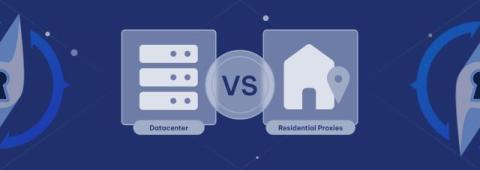
Residential vs. Datacenter Proxy: A Comprehensive Comparison

Proxies play a transformative role in expanding the possibilities of internet usage. While both datacenter and residential proxies offer the benefit of hiding your real IP address and ensuring online privacy, they also have additional features that set them apart. In this article, we will delve into the details of these proxies, highlighting their differences and helping you make an informed choice.

Deciphering the Differences: Proxy vs. VPN

When it comes to fortifying the privacy and security of your internet connection, proxies and VPNs (Virtual Private Networks) typically emerge as the go-to options. Both these tools excel at safeguarding your online identity, leading many businesses, institutions, and individuals to use them interchangeably. However, they operate quite distinctively. To decide on the most suitable tool for your browsing requirements, it’s vital to comprehend their differences.