Graylog 4.2 New Features
Jeff is here once again, this time he is going through the new Graylog 4.2 features.


Even if an organization has developed a governance team, aligning integration decisions with business needs must be incorporated into the zero trust architecture. The company’s business model drives the applications chosen. The senior leadership team needs someone who can translate technology risks and apply them to business risks. For example, security might be an organization’s differentiator.
Not every organization is - or even wants to be - a Fortune 500. Unfortunately, cybercriminals don’t care how big your company is. In fact, they often look to target small and midsize businesses (SMBs) knowing that they might have fewer security resources. You have the same problems that the big companies have, but you also have less money and people. Using centralized log management can give you the security solution you need, at a price you can afford.
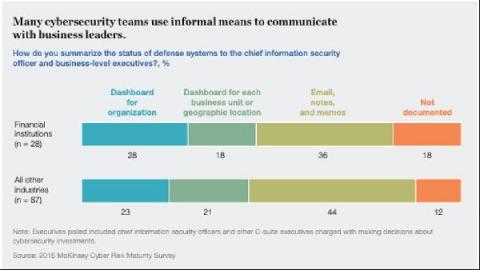
In today’s highly interconnected worlds, CISOs face a dual challenge: protecting data and reporting to the Board of Directors. Log management has long been a tool in the CISO’s back pocket, helping gain insight into potential security issues. However, the rise of cloud-based infrastructures changes this, making log management increasingly difficult.
For today’s remote workforce, security professionals need technical security awareness education distinct from the rest of the company’s “don’t click a phishing link” training. Security analysts know how to recognize phishing emails and set secure passwords. However, where does that leave them when it comes to security awareness month?
There’s an old saying that “there’s no such thing as bad publicity.” Unfortunately, this doesn’t ring true when it comes to data breaches and ransomware attacks. High profile security incidents continue to make headlines, and those headlines are impacting bottom lines. In response to these, the US federal government is modernizing its own cybersecurity infrastructure, and more state governments are implementing laws to protect citizens.
Defending against security threats is a full-time job. The question is: Whose job is it? Our cybersecurity landscape is in constant flux, with more users having increased access to corporate data, assets, APIs, and other entry points into the organization.
“What happened?” If you’ve never uttered those words, this blog isn’t for you. For those of us in cybersecurity, this pint-sized phrase triggers memories of unforeseen security incidents and long email threads with the CISO. What happened to those security patches? Why didn’t we prevent that intrusion? Organizations tend to lean towards protecting their borders and less towards understanding the importance of overall security hygiene.