Security | Threat Detection | Cyberattacks | DevSecOps | Compliance

NCUA and FFIEC Cybersecurity Regulations and Server Hardening

The National Credit Union Administration (NCUA) was created to insure and regulate the industry. Under the Federal Code of Regulations, Part 748, each federally insured credit union is required to develop a security program within 90 days of the effective date of insurance. To ensure that credit unions comply with federal cybersecurity requirements, the NCUA collaborates with the Federal Financial Institutions Examination Council (FFIEC) to set examination standards.

Using CIS Hardening Scripts for Windows Server: Benefits and Risks

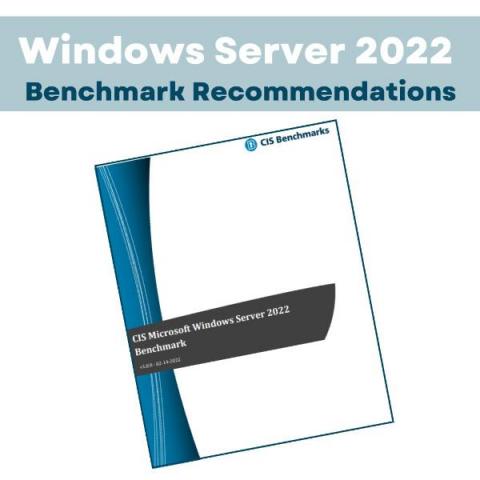
With each new version of Windows Server released, comes new security risks. Whilst each update enhances functionality for users, it can sometimes come at the cost of new vulnerabilities. The Centre for Internet Security (CIS) Benchmarks serve as a security baseline, helping both individuals and companies implement best practices for a secure configuration.

UNC Path Hardening Quick Knowledge Guide

UNC paths allow Windows systems to access shared network resources, but they can also be a target for cyberattacks if not properly secured. In this video, we break down the Hardened UNC Path policy—a crucial security feature that enforces mutual authentication and integrity checks on critical shares like NETLOGON and SYSVOL. You'll learn: How the Hardened UNC Path policy works Step-by-step setup using Group Policy and registry keys How SMB encryption can add extra security (and its compatibility risks)

What You Need to Know About 2025 Data Privacy Regulations in the U.S.

In 2025, US data privacy regulations are evolving rapidly. This video explores key state laws and regulations like the CCPA, CPRA, NY SHIELD Act, and the Massachusetts Data Privacy Protection Act. We discuss how these regulations impact businesses and the importance of robust security measures, including access controls, strong passwords, and regular audits. Learn how CalCom Hardening Suite can help your organization navigate these complex regulations and maintain a strong security posture.

How to Enable Hardened UNC Path

Hardened UNC Path is a Group Policy Object present at: This policy can be applied to the systems that are joined via the domain and it is not applicable for standalone systems. To get secure access to the UNC paths this policy must be configured. The recommended state for this policy is: Enabled, there are some pre-requisites.

Open Source Security for Hardening

OS hardening refers to the process of enhancing the security of an operating system by implementing various measures and practices to minimize vulnerabilities and strengthen its resistance against potential cyber threats and attacks. This involves configuring the OS settings, applying security patches, disabling unnecessary services, and implementing access controls to create a more robust and secure computing environment.

OpenSCAP Hardening Guide in 2024

The OpenSCAP (Security Content Automation Protocol) project offers an extensive range of hardening guides, configuration baselines, and tools for assessing vulnerabilities and configuration issues, utilizing SCAP as the protocol for storing the foundational data. Created by the open-source community, OpenSCAP hardening allows a selection of a security policy that aligns with an organization’s needs, irrespective of its size.

NIS 2 and EU Cybersecurity Act: Mandatory System Hardening

The NIS2 Directive is the European Union’s flagship cybersecurity law, poised to significantly strengthen cyber defenses across the EU when it takes effect on 17 October 2024. This upgraded version of the 2016 NIS Directive (NIS1) not only introduces stricter rules but also broadens its reach, covering more sectors and businesses, ensuring comprehensive protection and a stronger security posture.