Security | Threat Detection | Cyberattacks | DevSecOps | Compliance

The Latest Cybersecurity News & Insights From Around The World




Create Your Own Web Application Firewall (WAF) Rules Using Cloudflare
Discover how Cloudflare's Web Application Firewall (WAF) can safeguard your website against malicious threats.
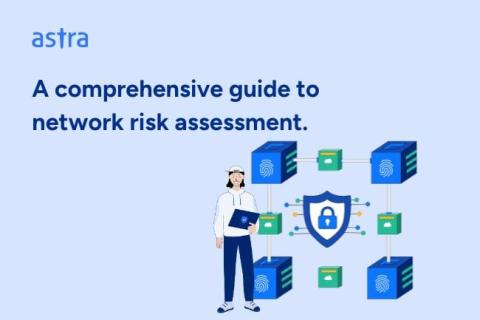
Complete Guide to Network Risk Assessment
Network risk assessment is the cornerstone of any good cybersecurity strategy, not just another compliance checkbox. However, organizations that regularly and systematically assess the threat to their networks tend to be significantly more resilient to threats and intrusive actions and consistently show greater continuity of operations under attack.

Must-Have WAAP Features Healthcare Organizations Need in 2025
Hospitals, clinics, pharma companies and digital‑health start‑ups are now on the front line of application‑layer threats. Without purpose‑built Web Application and API Protection, vital services and patient safety are placed at risk. Some concerning stats.

10 Surprising Tech-Driven Benefits of Choosing a Flexible Workspace
The traditional office is rapidly evolving in our technology-fueled world. As more professionals seek alternatives to rigid 9-to-5 setups, shared coworking spaces are emerging as innovative solutions that blend technology with human-centered design. These spaces aren't just about having a desk away from home, they're powered by cutting-edge tech that can dramatically transform how we work. With hybrid work models becoming the norm rather than the exception, understanding the tech advantages of flexible workspaces has never been more important.
Back-to-Back Wins: Forward Networks Earns Global InfoSec and Govies Awards for SecOps Innovation
Forward Networks is proud to announce that we have been recognized again for our industry-leading security capabilities—winning the Global InfoSec Award for the third consecutive year and the Security Today Govies Award for the second year in a row. This year, Cyber Defense Magazine honored Forward Networks with the Trailblazer Compliance Award in its 13th Annual Global InfoSec Awards.

Must-Have WAAP Features Financial Institutions Need in 2025
Banking & Financial Services (BFS) firms are shouldering a uniquely heavy share of the global threat load. The newly released Indusface State of Application Security 2025 study paints a stark picture: Why the laser focuses on finance? Strict regulations mean banks generally run strong perimeters, so adversaries pivot to bots, API abuse, and nuanced business-logic exploits that slip past ‘default’ defences.

Link11 brings three brands together on one platform with new branding
Link11 has fully integrated DOSarrest and Reblaze to become one of Europe's leading providers of network security, web application security, and application performance.

Edge exploits, EDR blind spots, 51-second breakouts
For every advancement in defense, attackers supply the equal and opposite adaptation. In the last few years EDRs have become so effective that adversaries have radically shifted gears. That shift shows up unmistakably in three heavyweight reports—Verizon’s DBIR, Mandiant’s M-Trends, and CrowdStrike’s Global Threat Report. Here’s how I’m stitching their data together.