When the "relationship" moves faster than a Netflix true-crime doc, it's not true love honey. It's a true scam. Use these tips to help spot the catfish bot before they reel you in!
That "FBI" call? Yeah… it's giving AI energy. Scammers are cloning real voices in seconds, even ones that sound like your family or the FBI. Beat them at their own game by hanging up, calling back using a verified number, and creating a family code word. Remember, NEVER send a dime!
Are you looking for a way to bring more structure and success to your projects? The PRINCE 2 (Projects IN Controlled Environments) methodology is a globally practised approach to project management. Firmly established as a leading method, it provides a practical and accessible framework that ensures projects deliver beneficial outcomes. For any team seeking to enhance its project governance and adopt a consistent, process-driven approach, understanding PRINCE 2 is the first step toward greater efficiency and control.
Nowadays, with the development of technology, more teams are operating remotely. Companies have realized that it's important that these teams also get some kind of cybersecurity training. Data breaches happen often and no company wants its private data leaking and being out in the world. Seeing your team recognize and report a phishing email with confidence is what every IT security department aims for. When your training materials are finally ready and employees are actively using them, you realize that you've created something that strengthens your organization's awareness and preparedness.
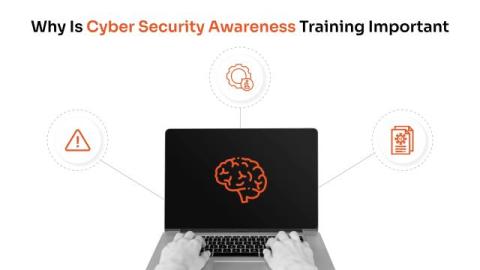
No matter how advanced your firewalls or encryption tools are, the weakest link in cybersecurity often remains the human element. Phishing emails, fake voice calls, and social engineering attacks exploit human error more effectively than they exploit code vulnerabilities. To counter this, organizations invest heavily in cybersecurity awareness and training programs.
Brace yourself for agentic AI ransomware. It's a terrifying fusion of cutting-edge tech and malicious intent that's set to redefine cyber threats as we know them. Unlike traditional ransomware, which follows pre-programmed rules, agentic AI ransomware can adapt its behavior in real-time based on its environment and the defenses it encounters.
Positive security outcomes don’t happen by chance — they result from a culture in which security is ingrained and embodied within and by everyone, from the executives through the employees. Training staff to recognize phishing lures, MFA bombs, and other common — and unfortunately, effective — social engineering techniques is a cost-effective way to improve an organization’s resilience.
Fraud detection in financial institutions has become increasingly important as technology continues to evolve and cyber threats grow more sophisticated. Consistent innovation in detection strategies can significantly enhance an institution's ability to identify and mitigate risks. Financial entities must develop and implement systems that detect fraud and predict potential future threats. Through data analysis, machine learning, and collaboration, organizations are better equipped to combat fraud effectively.