
Why E-Commerce Supply Chains Face Growing Cyber Threats
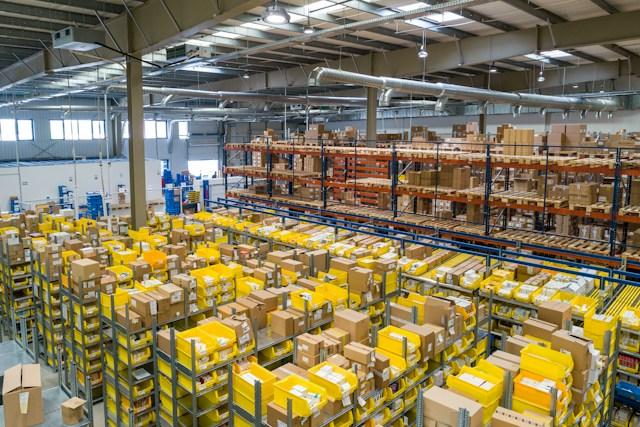
E-commerce supply chains depend on connected systems that share order, customer and inventory data across several organisations. That connectivity helps retailers process large order volumes quickly, but it also gives cyber criminals more routes into critical operations. A compromised supplier account, warehouse device or software update can interrupt dispatch, expose personal information and distort stock records. Retailers therefore need to treat fulfilment security as an operational priority, with controls covering their own platforms and every partner that can access them.
The Rise of Digital Supply Chain Attacks
Attackers increasingly target the trusted connections between retailers, software providers and logistics firms. An intruder who compromises one service provider may gain indirect access to several customers, making the supply chain an attractive route into otherwise well-protected businesses.
Common supply chain security vulnerabilities include shared credentials, outdated integrations and poor visibility across subcontractors.
Consider an order management plug-in that receives customer names and delivery details. If its developer account is breached, malicious code could reach every retailer using the next update. Reduce this exposure by mapping all connected services, restricting each integration to the minimum data required and reviewing dormant accounts every quarter.
Where Warehouse Networks Are Vulnerable
Warehouse networks connect handheld scanners, packing stations, label printers, stock databases and carrier portals. Older devices may run unsupported software, while shared logins make it difficult to trace suspicious activity. A compromised packing terminal could alter delivery labels or prevent staff from confirming dispatches during a busy sales period.
Separate warehouse technology from general office systems and give each employee an individual account. Encrypt connections between warehouse systems, sales channels and dispatch tools, require multi-factor authentication for administrators and maintain an accurate device register so overlooked equipment doesn’t remain connected indefinitely.
Vetting Third-Party Logistics Partners
Assess a logistics partner’s security before granting access to orders or customer records. The review should cover its own systems, key technology suppliers and any subcontractors handling data.
Retailers considering MCF Fulfilment or another outsourced provider should ask how order data moves between sales channels, warehouse systems and dispatch tools, as well as how access is controlled throughout that process. Common third-party supply chain cyber risks include weak access controls, poor incident preparation and limited oversight of connected vendors.
Ask how quickly the provider reports incidents, where backups are stored and how it removes access when employees leave. Contracts should define notification deadlines, data retention periods and responsibility for recovery costs. Request evidence from security tests or independent audits, then repeat the assessment annually. A partner’s controls can change after a platform migration, acquisition or switch to a new carrier integration.
Building Resilient Inventory Systems
Inventory resilience starts with dependable records and a recovery process that staff have tested. Keep protected backups of product, order and stock data, including a copy that compromised network accounts cannot alter. Run restoration exercises to confirm how long it takes to resume picking and which orders require manual checks.
Patch warehouse applications and connected devices according to risk, prioritising internet-facing systems and known exploited flaws. Effective third-party patch management also depends on clear ownership when external vendors control updates.
Monitor unusual stock adjustments, mass exports and logins outside normal hours. If systems fail, a documented offline procedure should let staff pause dispatches, preserve order sequence and reconcile every change once services return.
Cyber resilience becomes measurable when retailers test realistic disruptions. A useful exercise might disable the carrier connection for two hours, require staff to identify affected orders and confirm that restored inventory totals match physical stock. The results expose unclear responsibilities and fragile integrations before a real incident reaches customers.
Schedule these exercises around quieter trading periods, record recovery times and assign deadlines for every weakness uncovered.