Security | Threat Detection | Cyberattacks | DevSecOps | Compliance

Kubernetes 1.35 Security Changes: cgroup, WebSockets, Image Pull Auth + More

It’s December, and Kubernetes 1.35 is almost here - with security changes that can break workloads or access paths if you upgrade unprepared. This video is a fast, practical security edition rundown for security and platform engineers: what changed, why it matters, and what to verify before you roll 1.35 into production. In this video (Kubernetes 1.35 security highlights): If you want a deeper dive, comment with what you’re running today (managed K8s vs self-managed, distro, container runtime, auth setup) and I’ll break down the safest upgrade path.
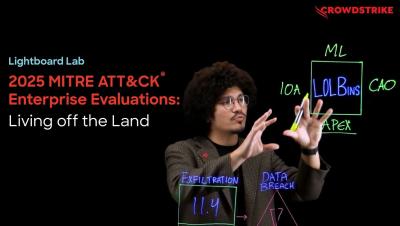
Living off the Land - 2025 MITRE ATT&CK Enterprise Evaluations

The 2025 MITRE ATT&CK Enterprise Evaluations tested detecting malicious living-off-the-land attacks while avoiding false positives on legitimate tools. CrowdStrike delivered 100% detection and protection with zero false positives. Adversaries like Mustang Panda weaponize legitimate tools like PowerShell, WinRAR, and curl.exe while these same tools run legitimately across enterprises daily. You can't block these tools without collapsing operations.

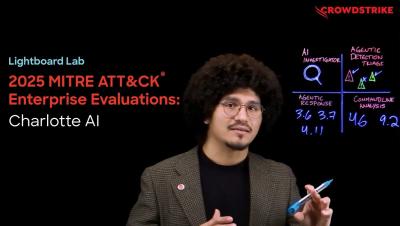
Charlotte AI - 2025 MITRE ATT&CK Enterprise Evaluations

The 2025 MITRE ATT&CK Enterprise Evaluations featured sophisticated cross-domain attacks from Scattered Spider, and CrowdStrike's Charlotte AI proved essential in delivering 100% detection and protection with zero false positives. Charlotte AI accelerated every stage of security operations with Agentic Detection Triage for instant verdicts, Agentic Response that investigates alerts like expert analysts, and command-line analysis in plain language.

API Security for AI Agents: What CISOs Need to See, Govern, and Protect

AI agents are moving into every part of the business, and each one runs on APIs. Salt Security Co-Founder and COO Michael Nicosia and CMO Michael Callahan walk through what that shift means for security leaders. A single AI agent can generate thousands of API calls, and once agents start talking to each other through MCP servers and agent-to-agent protocols, the number climbs into the millions. That growth widens the attack surface and turns prompt injection into a common entry point.

Ep 10 - Beyond CVEs: Why Patching Isn't Enough to Stop Breaches

Most security teams obsess over patching CVEs—but even perfect patch compliance won’t keep you safe. In this episode, SafeBreach Co-Founder & CTO Itzik Kotler and VP of Sales Engineering Michael De Groat reveal the real exposures that hide between patches, from misconfigurations and identity gaps to insider threats, social engineering, and zero-days. Hear why attackers exploit more than just known vulnerabilities, and how adopting an assumed-breach mindset with adversarial simulation strengthens real-world resilience.

Ep 12 - Women in Cyber: Voices of Resilience and Change

Celebrate Women in Cyber Day with us on this episode of the SafeBreach podcast! We explore the evolving role of women in cybersecurity, diving into the unique challenges and privileges they face in a traditionally male-dominated field. Our guests discuss the power of mentorship, confidence, and community support, while highlighting the importance of tailored training and leadership representation. Tune in to hear inspiring insights on how creating opportunities and connections can help build a more inclusive and diverse cybersecurity landscape.

Ep 11 - Salt Typhoon Exposed: Breaking Down CISA Advisory AA25-239

In this special episode of The Cyber Resilience Brief, Tova Dvorin and Adrian Culley break down CISA Advisory AA25-239—a joint alert from CISA, NSA, FBI, and global cyber partners on the long-running Chinese state-sponsored threat group Salt Typhoon. Salt Typhoon has been quietly infiltrating critical infrastructure for years by exploiting outdated routers, weak credentials, and “living off the land” techniques like PowerShell, WMI, scheduled tasks, and built-in administrative tools—making them nearly invisible.

The CISO's Take: Securing the Future of Financial Services & More

New year, new threats… Except some aren’t so new; they’ve been years in the making. As the future of financial services evolves from relying on traditional banking to other platforms, securing our future requires practitioners to be more strategic than the threat actors after our assets. Join Aleksandr Yampolskiy and Jeff Lunglhofer for their take on: SecurityScorecard monitors and scores over 12 million companies worldwide.