A recent study shows that software attacks cause Millions of Christmas trees to go dark each year (Claus, 2021). Since many people believe that trees cannot be hacked, they tend to find themselves in a false sense of security that too often leaves them exposed. In this article, I want to show you why fuzzing is the right method to protect your Christmas tree against malicious software attacks while turning it into a video game console.
2023 is coming in hot. If you don't want to miss out on this year's best events, you better start planning your conference schedule early. To help you out, I created an overview of my personal top 10 favorite cybersecurity events in 2023 about application security, cloud security, IoT, and all the other topics that currently occupy the cybersecurity world.
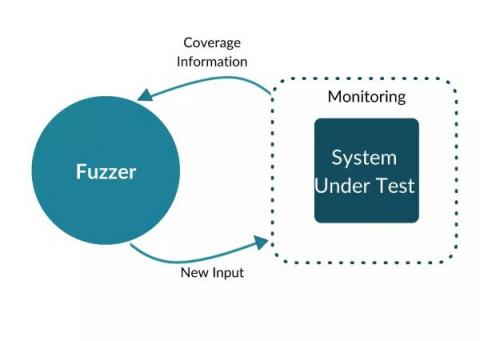
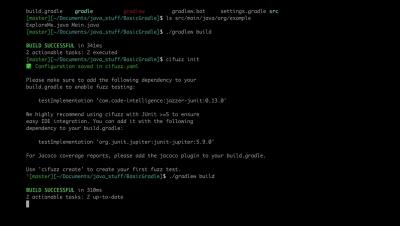
All software has bugs, and some can be difficult to find or reproduce. However, not all approaches to bug-finding need to be difficult to use! Fuzzing is an undeniably effective approach to finding security issues and bugs in software projects, however, tools can be complex to set up and execute. CI Fuzz CLI (open-source), automates the parts that make fuzzing complex, giving its users the look and feel of a unit test.
Today, I want to show you a way how to increase the integrity and functionality of your Java applications, with fuzz testing. This awesome testing approach has done me great service for building more secure Java applications, and it's basically as simple as unit testing. In this article, I will share how you can apply fuzz testing to your own code. And the best part: all code examples and tools I will use are 100% open-source.