Security | Threat Detection | Cyberattacks | DevSecOps | Compliance

Agentic AI in Cybersecurity: Real-World Impact & Strategic Insights

In this webinar, the Securonix team breaks down how agentic AI is transforming cybersecurity from theory into measurable results. Hear directly from our experts on the Response Agent and other AI-driven capabilities that help modern SOCs detect threats faster, cut through alert fatigue, and deliver outcomes that boards can trust. What you’ll learn: This session is packed with real-world examples and strategic guidance for CISOs, SOC leaders, and analysts who want to modernize security operations, demonstrate ROI, and prove resilience in the boardroom.
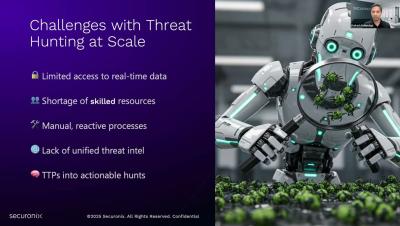
Threat Hunting at Scale: How Securonix + ThreatQ Turn Intelligence into Action

Discover how Securonix and ThreatQ empower security teams to overcome alert fatigue, reduce manual workloads, and proactively hunt for threats at scale. In this session, experts from Securonix and ThreatQ demonstrate how combining advanced behavioral analytics with context-rich threat intelligence helps SOC teams detect stealthy attack chains, automate investigations, and respond faster. You’ll learn.

Trusted Access: Smuggled Secrets, SD Cards and Peanut Butter Sandwiches

Some insider threats are quiet and compulsive. Others come wrapped in a peanut butter sandwich. In 2021, U.S. Navy engineer Jonathan Toebbe was arrested for attempting to sell classified submarine technology to a foreign government. He wasn’t forced into it. He wasn’t coerced. He initiated the contact himself, asking for hundreds of thousands of dollars in cryptocurrency in exchange for nuclear secrets. This wasn’t a data dump or a careless mistake. It was premeditated.

5 AI Mandates from Your Board: A Boardroom Mandate for AI-Driven Efficiency

In 2025, AI in cybersecurity is no longer optional—it’s a board-level expectation. CISOs aren’t being asked if they’re using AI; they’re being asked to show measurable outcomes: faster response, reduced noise, greater visibility, and ROI the board can trust. Security operations have become a boardroom priority.

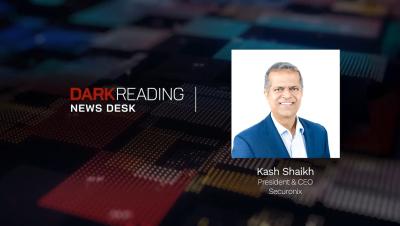
Dark Reading - From Panic to Precision: Securonix Gives SecOps Power Back

Alert fatigue. Talent shortages. Expanding attack surfaces. AI-enabled attackers. These are the persistent problems Kash Shaikh, President & CEO of Securonix, addressed in his recent interview with Dark Reading. They are also the same issues pressing on every CISO and security leader today.

Securonix - Breach Ready. Board Ready. AI-Powered.

Security teams today are expected to do it all. Stop threats faster. Prove value to the board. Scale with fewer resources. Securonix makes it possible. Breach Ready means unified detection and response with up to 60 percent faster time to containment and 50 percent less analyst workload. Board Ready means 193 percent ROI, a six-month payback period, and reporting that drives strategic decisions. AI Powered means modular agents that cut false positives by 90 percent and automate triage with precision, keeping your team in control. This is modern security. This is Securonix.

From Alert Fatigue to Focus: The Forrester TEI-Backed Business Value of Securonix

It’s late at night. The SOC is lit by monitors flashing with alerts. Most are noise, some are false positives, and buried somewhere in the pile is a real threat waiting to strike. For many security teams, this is just another Tuesday. But for those using Securonix, it’s becoming a thing of the past. At Securonix, we believe security should empower, not exhaust. That means giving your analysts the context they need, the automation they want, and the confidence to act without hesitation.

Breach Ready. Board Ready. Built for Efficiency.

In today’s modern SOC, more data doesn’t always mean better outcomes. Security teams are overwhelmed by irrelevant telemetry, storage bills are out of control, and compliance regulations demand long-term retention—even for data with little threat value. Legacy SIEMs treat all logs the same, flooding analysts with noise and slowing down response times. The result? Bloated infrastructure, delayed investigations, and boardroom frustration over unproven ROI.

Join the SIEM Evolution: A SOC Leader's Guide to Streamlining SecOps

Security operations teams use SIEMs to defend against threats, but many SIEMs are struggling to keep up with the complex processes involved in threat detection, investigation, and response (TDIR) due to limitations in architecture and technology. Security teams have limited resources, personnel, and cybersecurity skills to stay ahead of the latest threats. So how will the next evolution of SIEM alleviate these pain points?