

Security | Threat Detection | Cyberattacks | DevSecOps | Compliance

How to Detect and Mitigate Zero-Day Vulnerabilities

Companies face more sophisticated, unpredictable cyber threats. Zero Day vulnerabilities are among the greatest risks, as these software flaws are unknown and exploited before a fix is available, potentially compromising thousands of organizations. Stopping zero-day attacks is a top priority for security teams, requiring faster identification, detection, and mitigation to prevent damage. But how do these attacks work, and what practices really help?
Tackling the Modern WAF Challenge: Why Managed WAAP Is the Key to Effective Application Security

Organizations today face a continuous struggle to secure their web applications against threats that constantly evolve in the fast-paced digital landscape. The Web Application Firewall (WAF) serves as a primary line of defense against these threats; however, its management challenges often outweigh its security benefits, resulting in organizations not realizing the full value of their security investment.

Regulatory Gaps and Legacy Systems Are Aiding AI-Powered Cyberattacks on Governments

Public sector organizations face unprecedented cybersecurity challenges as artificial intelligence reshapes how adversaries launch attacks. Threat actors now use AI to execute large-scale, highly personalized phishing campaigns, automate the discovery of vulnerabilities, and evade detection faster than traditional defenses can respond.

LevelBlue Spotlight Report Finds Manufacturers Struggling with the Impact of AI and Supply Chain Risk

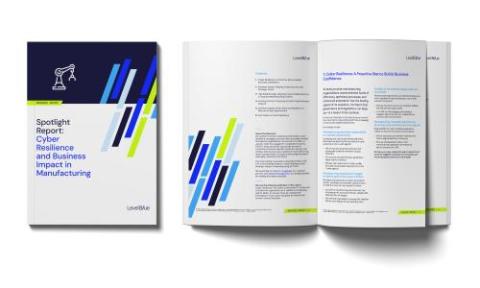
LevelBlue’s newly released 2025 Spotlight Report: Cyber Resilience and Business Impact in Manufacturing, uncovered the different ways this sector has increased its understanding of the role cybersecurity must play moving forward, including the need to adopt a more proactive security posture to increase resilience and improve its defense mechanisms to combat AI-powered attacks.

LevelBlue Managed WAAP Enables Organizations to Solve Day 1 WAAP Implementation Challenges

Deploying Web Application and API Protection (WAAP) systems is crucial for bolstering cybersecurity defenses. Akamai reported 108 billion API attacks over 18 months, underscoring the value of APIs to cybercriminals. Like any new security measure, the initial deployment brings various challenges during the "Day One" process. These Day One challenges should not compromise security effectiveness or disrupt business operations.

The Cost of Inaction: Securing the Energy Grid Before It's Too Late

Delivering safe and reliable power around the clock is a huge challenge. A task made even more difficult by the sharp rise in cyberattacks on the energy and utilities sector. Recent research from Trustwave SpiderLabs found that cyber threats against the sector have surged by 80% year-over-year, costing organizations nearly half a million dollars more per breach than the cross-industry average of $4.8 million.

Shades of Red: Redefining the Use of Red Flags in Cybersecurity and Insurance

In cybersecurity, several related but divergent meanings have been ascribed to the phrase “red flags.” The phrase has roots in fraud and insurance, popularized by the FTC as part of the 2003 Red Flags Rule under the Fair and Accurate Credit Transactions Act requiring credit issuers to build programs that detect identity theft via warning signs of fraud.

From Shadow IT to Shadow AI: The Evolution of Unseen Risk

Security leaders are well acquainted with Shadow IT; the unsanctioned apps, services, and even devices employees adopt to bypass bureaucracy and accelerate productivity. Think rogue cloud storage, messaging platforms, or unapproved SaaS tools. These all often slip past governance until they trigger a breach, compliance issue, or operational failure. Now, a more complex threat is emerging - Shadow AI.

Salesloft Drift Supply Chain Attack Affects Hundreds of Businesses

LevelBlue’s Security & Compliance Team is aware of the Salesloft vulnerability affecting Drift chatbot integrations. LevelBlue, and its affiliated entities, do not utilize Drift, and Salesforce has confirmed the incident did not impact clients without this integration. Based on current information, we confirm there has been no exposure or impact to us or our clients. Should new information arise that alters this assessment, we will provide an update directly.

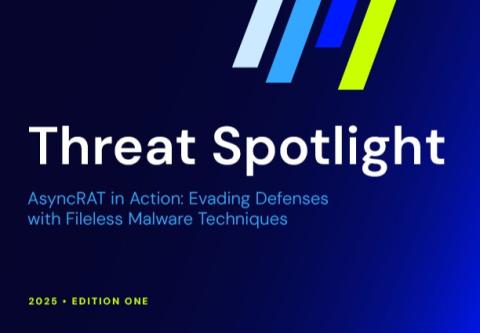
AsyncRAT in Action: Fileless Malware Techniques and Analysis of a Remote Access Trojan

Fileless malware continues to evade modern defenses due to its stealthy nature and reliance on legitimate system tools for execution. This approach bypasses traditional disk-based detection by operating in memory, making these threats harder to detect, analyze, and eradicate. A recent incident culminated in the deployment of AsyncRAT, a powerful Remote Access Trojan (RAT), through a multi-stage fileless loader. In this blog, we share some of the key takeaways from this investigation.