Security | Threat Detection | Cyberattacks | DevSecOps | Compliance

AI Data Privacy Regulations: Legal and Compliance Guide

The regulatory landscape for AI and privacy reached a turning point in 2025. The headlines are familiar: laws multiply, consumer expectations harden, and enforcement accelerates. What is different this year is the shift from occasional audits to always-on proof. Regulators and enterprise customers want to see working controls inside your pipelines, not just policy PDFs.
Enterprise AI Security Redefined: Protecto vs. Traditional DLPs

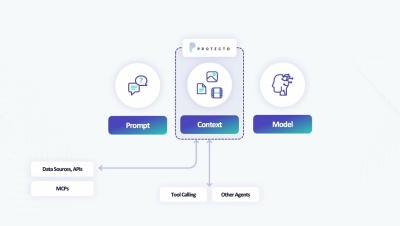
Protecto replaces the patchwork of DLPs and DSPMs with AI-native controls, so you can safely unlock enterprise data for AI. Prompts, models, and context power Agentic AI. But context is also the most volatile and exposed layer - where 90% of enterprise AI risks originate. Intellectual property loss, unauthorized access, privacy violations, compliance failures - all start in the context. That’s why Protecto brings Zero Trust controls to data in AI.

AI Data Privacy Trends and Future Outlook 2025

AI is now woven into everyday work. Customer teams rely on chat assistants, developers use copilots, and analysts ask models to sift through knowledge bases. The biggest shift in 2025 is not a single law or headline. It is the move from occasional audits to continuous, technical controls that run wherever data flows.

Still Using RBAC in AI? You're Already Behind.

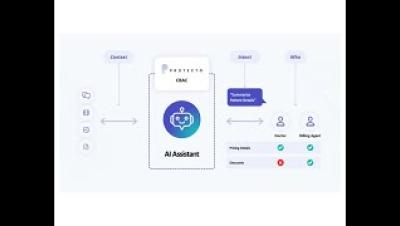
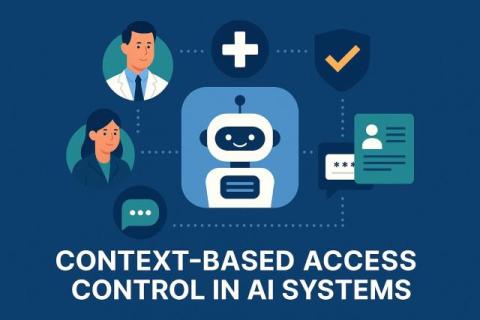
Traditional role-based access control (RBAC) was built for structured systems - not for the messy, unstructured data that powers today’s AI workflows. In this video, we explore real-world healthcare scenarios where RBAC breaks down like mental health notes, lab results, and substance use histories buried in clinical documents. You’ll see how Protecto’s Context-Based Access Control (CBAC) solves this by understanding the user, prompt, and context - and enforcing policies in real time, without breaking AI functionality.

The Role of AI in Enhancing Data Privacy Measures

Data privacy is no longer a policy binder. It is an engineering practice that must run every day, close to where data enters, is processed, and leaves your systems. That is why the conversation has shifted to The Role of AI in Enhancing Data Privacy Measures. AI can inspect millions of records, watch billions of events, and detect quiet patterns that humans and static rules miss. When applied correctly, AI turns privacy from a paperwork exercise into a set of working parts.

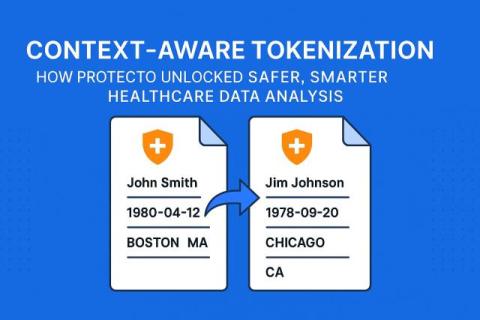
Context-Aware Tokenization: How Protecto Unlocked Safer, Smarter Healthcare Data Analysis

The healthcare industry, despite being highly regulated, is one of the most targeted for breaches, necessitating tight measures. While these measures are necessary, they often restrict the free flow of information, critical for analysing patient outcomes and improving internal operations. Tokenization has long been a reliable method for masking protected health information (PHI). But not all tokenization is created equal.

Understanding AI and Data Privacy: Key Principles

AI is now part of customer service, product design, operations, and decision making. That reach brings real benefits, and it also surfaces personal and sensitive data in new places. It raises the question: How do we ship useful AI while protecting people and meeting laws? This guide helps you understand AI and data privacy as one practice through core principles, common pitfalls, practical controls, and a step by step plan to build privacy into your AI stack from the start.

Why AI Security Breaks Without Context Based Access Control (CBAC)

Generative AI is transforming the way enterprises approach daily operations – powering virtual assistants, summarizing medical records, and aiding clinicians with insights. These benefits come at a cost: risk to a wide range of sensitive data in AI-driven workflows. Traditional access controls and content filters that work for static systems fail as these are not designed for the free-flowing, context-rich data exchanges in LLM applications.

What Is Data Privacy in AI? Explained Simply

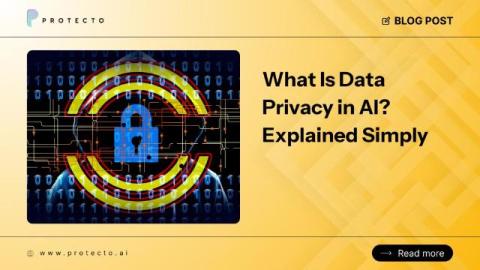
If your company is shipping chatbots, copilots, or decision systems, you have probably heard the question many times: what is data privacy in AI, and how do we do it right. The answer is simpler than it looks. Data privacy in AI is a set of habits and controls that limit what personal or sensitive data you collect, how you use it, where you store it, and who can see it. When those habits are part of the build, AI products move faster, customers feel safer, and audits become routine.

AI Data Privacy: Concepts, Definitions & Best Practices

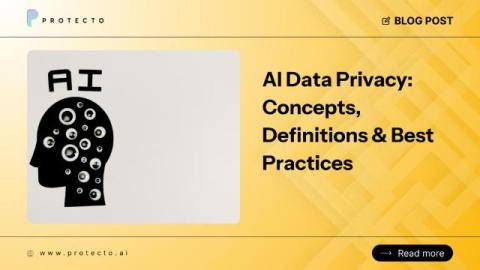
AI now sits inside customer support, finance, human resources and product development. That reach brings value, and it also exposes personal and sensitive data in new ways. The question is no longer whether to adopt AI. The question is how to adopt it responsibly, with AI data privacy built into the system rather than tacked on after a test run. This guide explains the core concepts, definitions and best practices you can use to design, ship and scale AI with privacy in mind.

AI Data Privacy Statistics & Trends for 2025

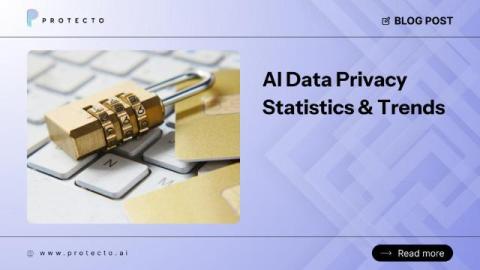
2025 is the year privacy becomes the competitive layer of AI. If you’re rolling out GenAI privacy is no longer a compliance chore; it’s a trust-building strategy that accelerates adoption, partnerships, and revenue. This report distills the most important AI privacy issues, statistics, and trends shaping 2025: what they mean, and how to respond with practical guardrails that protect people and performance.

Examples of AI Privacy Issues in the Real World

What’s the fastest way to lose trust? Expose private data. With AI moving from pilots to core workflows in support, finance, HR, and healthcare, one careless prompt or leaky integration can turn into headlines, fines, and weeks of incident response. The most useful way to understand the risks is to study AI privacy issues examples from the real world.

Challenges in Ensuring AI Data Privacy Compliance [& Their Solutions]

What happens when the AI feature you shipped last quarter is compliant in one region—but illegal today in another? That’s the new normal. In 2025, the EU AI Act, new U.S. state privacy laws, China’s PIPL, and APAC rules are reshaping how organizations collect, process, store, and share data for AI. Privacy isn’t a back-office task anymore; it’s a front-line guardrail for product, security, and data teams.