Security | Threat Detection | Cyberattacks | DevSecOps | Compliance

SIEM vs. XDR: 5 Things to Consider

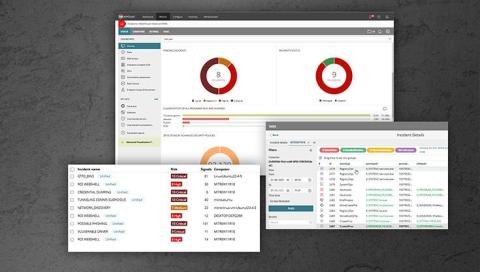
As IT environments become more complex, organizations face rising threat volumes, persistent cybersecurity talent shortages, and adversaries capable of dwelling undetected for days and moving laterally within hours. In this context, choosing between SIEM and XDR is no longer a technical preference; it’s a strategic decision that shapes how your organization defends itself.

Defeating Ransomware with Unified Security

Ransomware is getting smarter, so your security better be, too. The old playbook of scattered tools and siloed defenses no longer cuts it. Every business needs to connect the dots to stay ahead. In this webinar, we’ll show you how bringing together SASE, XDR, NDR, and automation under a unified platform creates a powerful security force that works with your team, not against it.

The future of managed cybersecurity: MSPs' new role in 2025

Cybersecurity in 2025 is marked by a more complex, dynamic, and decentralised environment. Threats have not only become more sophisticated but also act faster, supported by technologies including artificial intelligence and a fragmented geopolitical context. Against this backdrop, the latest IDC report* on the state of cybersecurity in 2025 brings to the table a paradigm shift in how protection is provided, with what resources and under what structures.

68% of cyberattacks start with stolen credentials

More than 16 billion passwords, cookies and tokens were recently exposed in one of the largest data breaches in history. The scale of the theft, with data from services including Google, Apple, Facebook, Amazon and Microsoft, makes one conclusion clear: credentials are the first step in compromising critical data.

The 2025 Cost of a Breach Report - The 443 Podcast - Episode 340

This week on the podcast, we discuss key findings from IBM and the Ponemon Institute's 2025 Cost of a Breach Report, including a deep analysis of AI impacts in cybersecurity. Before that, we cover Norway's claim that Russian-aligned hackers opened a floodgate in one of their dams. We also discuss a vulnerability in Microsoft 365 Copilot that allowed the AI to delete its own audit logs. The 443 Security Simplified is a weekly podcast that gets inside the minds of leading white-hat hackers and security researchers, covering the latest cybersecurity headlines and trends.

The Warning Signs You Can't Ignore: From Your Body to Your Business

We’ve all been there, pushing through a cold, a nagging pain, or a persistent feeling of being "off." We tell ourselves it’s nothing, that we’re too busy to slow down. I did the same thing, ignoring my body’s subtle whispers until they turned into a deafening roar. One moment, I was pushing through a typical day, and the next, I was in a hospital bed, a stark reminder that ignoring warning signs can have serious consequences.

Inside the SonicWall SSLVPN Attacks

Inside the SonicWall SSLVPN Attacks In this week’s episode of The 443, Marc Laliberte and Corey Nachreiner break down: The recent SonicWall SSLVPN exploits What we know so far and how attackers are getting in The risks for organizations relying on vulnerable VPN gateways Plus: a WinRAR zero-day and a new ChatGPT vulnerability you should know about.

Is Zero Trust a Total Bust? - The 443 Podcast - Episode 339

This week on the podcast, we discuss key findings from a DefCon presentation from researchers at AmberWolf titled ZeroTrust, Total Bust and what it means for Zero Trust Network Access. After that, we review a new vulnerability in the FortiWeb WAF before ending with a quick update from Google Project Zero on a new vulnerability disclosure policy. The 443 Security Simplified is a weekly podcast that gets inside the minds of leading white-hat hackers and security researchers, covering the latest cybersecurity headlines and trends.

SimpleHelp: CISA warns of critical vulnerabilities in remote access software

The recent alert issued by the US Cybersecurity and Infrastructure Security Agency (CISA) about vulnerabilities in SimpleHelp remote support software highlights the growing risk in the software supply chain, making it a real threat to MSPs and their clients.