
How Using a VPN Can Help to Lower Ping for Smoother Online Gaming
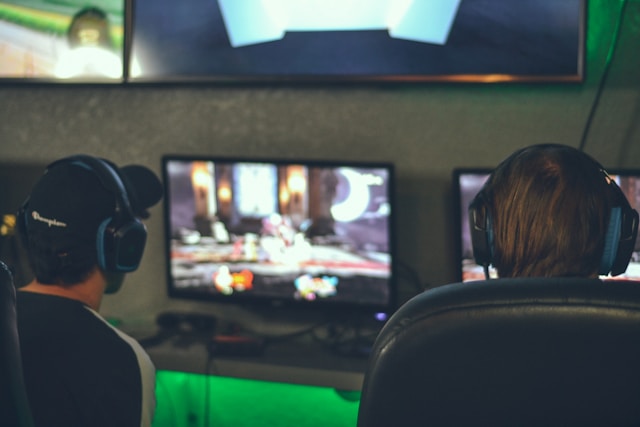
The survival of online gaming depends entirely on ping. Every gamer who has played PUBG, FIFA, or Street Fighter has experienced the agony of lag while trying to hit a headshot, avoid a tackle, or execute a combo. Games become almost unplayable when ping is high because it transforms quick gameplay into annoying slow-motion delays.
A virtual private network (almost exclusively shortened to a VPN) functions as the solution to save the day. VPNs serve dual purposes for users who want privacy protection and security but they also provide essential benefits to gamers who wish to reduce ping and lag during online matches.
This article explains what ping represents and how VPNs work to decrease it , while guiding the selection of the most suitable VPN for competitive gaming success.
What Is Ping, and Why Does It Matter in Gaming?
Ping, a computer network administration software utility, is the time it takes for data to travel from your device to the game server and back, measured in milliseconds (ms). The lower the ping, the faster your actions register in the game.
- Below 50ms: Excellent.
- 50-100ms: Acceptable.
- 100-200ms: Playable, but noticeable lag.
- More than 200ms: Laggy, often unplayable
If you’re experiencing delays, rubber-banding, or teleporting enemies, ping is probably to blame.
What Causes High Ping?
Several things can increase your ping:
- Long distance from your device to the game server.
- Poor routing by your internet service provider (ISP).
- Congested networks (during peak usage times).
- Background activity, such as large file downloads or HD streaming.
- Firewalls or network restrictions (such as those in school or at work).
Even if you have fast internet, poor routing between your device and the game server can ruin your connection.
Can a VPN Actually Lower Ping?
Yes, in some cases, a VPN can help reduce your ping. Here's how:
Better Routing Than Your ISP
ISPs don’t always send your data along the fastest or most direct path. They may route your traffic inefficiently or prioritize different services (like streaming over gaming).
A VPN in action can bypass this by sending your data through its own secure network. If the VPN has optimized servers close to the game’s servers, it may create a faster, more direct connection, reducing the travel time (ping) between you and the game.
Think of it like using a shortcut road instead of the main highway. If the shortcut is clear, it gets you there faster.
Avoiding Congested or Throttled Networks
Some ISPs slow down gaming traffic during busy hours. This is called throttling.
A VPN encrypts your data, hiding it from your ISP. They can’t see what kind of traffic you’re sending, which makes it harder for them to target and slow down your gaming connection. This can lead to smoother, more stable gameplay during peak hours.
Connecting to Better Regional Servers
Games like PUBG match you to regional servers based on your IP address. But if your local server is overloaded or far from your location, you can use a VPN to connect to another region with better ping.
For example, if you live in the Middle East but get better performance from European servers, a VPN for PUBG lets you connect through a European server and trick the game into placing you there. Alternatively, VPS game hosting allows you to deploy your own game servers in optimal locations, giving you complete control over server performance.
Ping in Practice: Using a VPN for PUBG
PUBG is a very fast-paced game, making it one of the most ping-sensitive games out there. As such, bad ping can mean the difference between a great win and an early death. Many players use a VPN for PUBG, especially those based in regions with limited server access:
- Connect to stable, low-latency servers.
- Avoid random disconnections.
- Reduce lag caused by throttling.
- Play with friends in other regions.
- Access server regions with less competition or better matchmaking.
When a VPN Lowers Ping – And When They Don’t
Sadly enough, VPNs aren’t magical. As such, it won’t always improve your ping performance perfectly. In fact, if you use a low-quality VPN service or connect to a really faraway server, it can even make things worse for you.
A VPN will be helpful to you if:
- Your ISP has poor routing or tends to throttle gaming traffic.
- You live far away from the nearest server of the game you’re playing.
- You want to connect to a different region.
- You’re on public Wi-Fi or a shared network with restrictions.
On the other hand, VPNs won’t help you if:
- You already have a direct and fast route to the game server.
- You choose a VPN server from both you and the game server.
- The VPN provider you chose is slow or overloaded.
That’s exactly why it’s super important to choose a VPN built with gamers in mind! In the section below, we’ll tell you how to pick out the best gaming VPN for you.
How to Choose a Gaming VPN
When you’re trying to decide which VPN to invest in, you should look out for the following:
- Low-latency servers: Choose a provider that offers servers optimized for gaming, located close to your region or to the game’s servers.
- Fast speeds: A VPN adds a supplemental step between you and the internet. Thus, you need one that won’t slow the trip down. Look for providers with high-speed infrastructure and unlimited bandwidth.
- Low server load: Crowded servers equal slower speeds. As such, you need to pick a VPN that balances traffic and lets you choose servers with low usage.
- No data caps: Gaming can use a lot of data, so the VPN you choose should offer no data or session time limits.
- Stable connections: Gaming requires a consistent, drop-free connection. Choose a VPN with reliable uptime and no random disconnects.
Final Thoughts
Ping is everything when it comes to online gaming. While a VPN won’t fix every single lag problem, choosing the right one can absolutely help you to reduce ping, improve traffic routing, and avoid ISP throttling. If you’re struggling with lag, region restrictions, or unreliable servers, trying a gamer-approved VPN could be the thing that takes your gameplay to the next level!