Security | Threat Detection | Cyberattacks | DevSecOps | Compliance

The New Reach Security: Autonomous Security Control Assurance

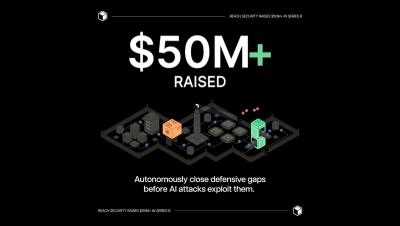
AI-powered attacks, meet AI-powered defense. Reach Security's rebranded site is live today. Most of what changed came from customers. Security leaders have been telling us they need a faster, more continuous way to know where their controls are weak, understand what matters most, and close the gaps before attackers exploit them. Our new website reflects that signal. It brings greater clarity to the problem we solve, the category we are building, and how Reach helps security teams identify blind spots, prioritize action, guide remediation, and continuously validate the controls they already own.

Find and Fix Risky Firewall Rules | Reach Security Demo

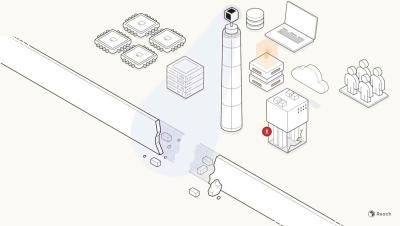
A firewall rule set to allow any source to any destination can stay live for months. It cancels out the rules beneath it and lets traffic pass unchecked. That kind of drift sets off no alarm. It builds up between quarterly reviews, while small teams govern 50 or more firewalls and hundreds of rule changes a week. Reach Network Security Assurance finds these controls, shows how long each has been open, ties the finding to real exposure, and guides the fix.

Your Firewall Rules Are Drifting Right Now. You Just Can't See It

Firewalls are the single most common source of misconfiguration-related breaches, yet they get changed a hundred times a week and audited once a quarter. This is the network security gap AI attackers exploit first. Endpoint gets the budget. Identity gets the roadmap. The firewall gets changed constantly and reviewed rarely. It is also the control most tied to breaches: 42% of security teams pinned a firewall misconfiguration to a breach or near miss last year, ahead of EDR at 40% and identity at 39%.

Optimize Microsoft Entra ID Conditional Access | Reach Security

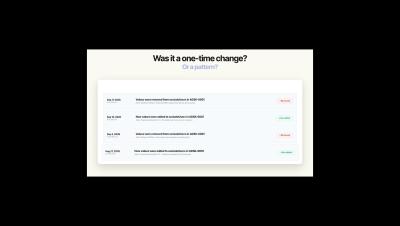
Which of your users can reach a sensitive app without ever hitting MFA? Most security teams can't answer that with confidence. Microsoft Entra ID and Conditional Access is powerful. But exclusions stack up, MFA coverage drifts, and risk-based protections go unused. This creates openings for fast-moving AI-powered attackers. Reach continuously validates your controls against your security intent, closes the gaps, and proves the risk reduction.

Microsoft Defender for Endpoint: Protection You're Paying For But Not Using

Microsoft Defender for Endpoint ships with serious firepower. But most of it is sitting idle. ASR rules get stuck in audit mode. Devices never get fully onboarded. Exploit protection is switched off. Security baselines drifting across device groups. You're paying for protection that isn't turned on. Reach analyzes your Defender deployment, surfaces every gap, prioritizes the fixes by real risk reduced, and keeps your controls aligned as you scale.

Not Zero-Days. Not Nation-States. A Firewall Rule.

A firewall's entire job is to control what gets in. In Reach's research, it was the most common source of a configuration-related near miss or exposure, ahead of EDR and identity controls. It does not take much. One rule broadened for a project, one exception that outlived its reason, one change that shipped without anyone checking it against intent. A single overly permissive rule, sitting live between quarterly reviews, is enough.

What the Cloudflare Outage Says About Changes Made Under Pressure

Observability is not the problem anymore. The data that tells you a change will break something usually already exists. Most teams have the events, the logs, the configuration history. What is missing is the step that turns all of it into a clear yes or no on a specific change, while there is still time to pull it. Garrett Hamilton, CEO of Reach Security, on objective data and the changes that get made before anyone checks.

Why 72% of Security Budgets Are Aimed at the Wrong Thing | Reach Security x Insurity

72% of security budgets still go to detection and response, not prevention. That is the thread running through the latest episode of The Security Strategist, where EM360Tech's Shubhangi Dua talks with Garrett Hamilton, CEO of Reach Security, and Jay Wilson, CIO and CISO at Insurity. With the majority of budgets still pointed at detection and response, the conversation makes the case for swinging the pendulum back toward prevention, and why the tech can finally back it up.