Security | Threat Detection | Cyberattacks | DevSecOps | Compliance

The Latest Cybersecurity News & Insights From Around The World



JUMPSEC The Team
Meet JUMPSEC and the team at our recent team building event
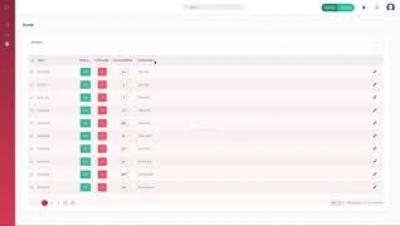
JUMPSEC Managed Vulnerability Scanning Portal Demonstration
Our technical team give a demonstration and a walk through of the portal and how it can be used to help support your IT teams. With our JUMPSEC Managed Vulnerability Scanning Service.

What is a Zero Trust Network?
JUMPSEC Jargon Buster - What is a Zero Trust Network, Thom explains.



JUMPSEC Advantage
To learn more about JUMPSEC'S services please get in touch.


Why is a disaster recovery plan important?
JUMPSEC Jargon Buster - Nikoo explains why a disaster recovery plan is important? Business Continuity Plans and Disaster Recovery plans are two key elements of the ISO27000 series of standards. Disaster recovery plans allow organisations to plan in advance what to do in the event of a serious interruption to business-as-usual, by having robust plans made in advance, it reduces the potential business impact of an interruption and helps restore operations quickly. the process and details of this plan are essentials for stopping disasters from occurring in the first place.
What is the difference between a Vulnerability Assessment & a Penetration Test?
JUMPSEC Jargon Buster - What is the difference between a Vulnerability Assessment & a Penetration Test, Thom explains. Vulnerability assessments typically rely on vulnerability scanning tools to identify technical vulnerabilities making use of pre-configured test cases and signatures. A penetration test takes a contextual view of the target, combining many vulnerabilities and information sources in order to craft specific attacks with the goal of finding security weaknesses. Simply put a penetration test mimiks a skilled attacker, whereas a vulnerability assessment provides a baseline against common known weaknesses.