Security | Threat Detection | Cyberattacks | DevSecOps | Compliance

GDPR Compliance for Email Marketing and Cold-Callings

Cold calling and emailing have always been popular and effective techniques of sales and communication with prospective clients. It is a way how brands can reach out to potential clients who may not be aware of your service or product offerings. It is a technique of creating brand awareness and lead generation. However, many customers see these activities as spamming.

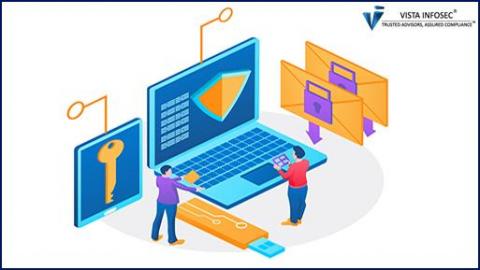
How does VPN Security help in Data Security & Privacy?

Today in a technology-driven business world, network security is an utmost priority for all businesses, especially for those dealing with sensitive data. More so, in an organization that works in a hybrid environment wherein information and critical data are accessed remotely, the need for securing such data and network is important. This has led to a paradigm shift in the approach of establishing a robust security program and security implementations within the organization.

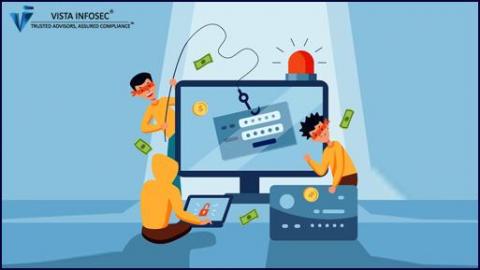
Why Threat Intelligence Matters To Your Organization?

Technological advancements have revolutionized the world’s cultural and economic institutions in almost every aspect. Unfortunately, they have also brought risks in the form of cyber threats. While there are various ways to mitigate such threats, paying importance to threat intelligence can make a difference to your organization.

Tips for Developing Your Ransomware Strategy

Ransomware attacks continue to make headlines and cause havoc on organizations on an international scale. Unfortunately, we should expect that ransomware attacks will persist as one of the primary threats to organizations. Ransomware attacks have grown 350% in recent years, and while the best strategy is to prevent attacks from happening in the first place, there is no guarantee your data won’t be compromised.

The Advantages of Continuous Cybersecurity Monitoring

The advancement of digital technology benefits many individuals and businesses, making communication, collaboration, and processes faster and more accessible. However, the biggest risk of using digital technology has something to do with cybersecurity. Cyber-attacks, such as identity theft, ransomware, and malware, can be disruptive. For this reason, many individuals and companies install safety features in computer devices and software systems.

Important Trends in Cybersecurity

The cybersecurity industry is an ever-evolving landscape wherein businesses struggle to keep up with the dynamic security and cyber-threat landscape. Due to unprecedented events such as the COVID-19 pandemic, evolving IoT landscape, and the newly evolved techniques of sophisticated cybercrimes, businesses are grappling to deal with the growing cyber threats.

Open Source Intelligence

The term “open source” refers in particular to records this is publically available. A huge part of the internet cannot be found using major search engines. This is called as “Deep Web”. Deep Web is a mass of websites, databases, files, and more that cannot be indexed by Google, Bing, Yahoo, or any other search engine. Despite this, much of the content of the dark web can be considered open source because it is easily available to the public.

Things You Should Know About Your Privacy Online

Surveillance is becoming an increasingly standard component of modern life, posing a threat to the idea that people have a right to privacy. In many situations, we unwittingly provide companies with information about our preferences, routines, and interests. In this age of digital era, you must not rely on evolving surveillance regulations and vendors to keep your personal information and security intact.

Strengthen Your SaaS Security with SaaS Ops

Many organizations have multi-cloud setups, with the average corporation employing services from at least five cloud providers. Compatibility problems, contract breaches, non-secured APIs, and misconfigurations are among the security hazards cloud computing brings, which is popular. SaaS configurations are an attractive target for cybercriminals because they store a large amount of sensitive data, such as payment card details and personal information.

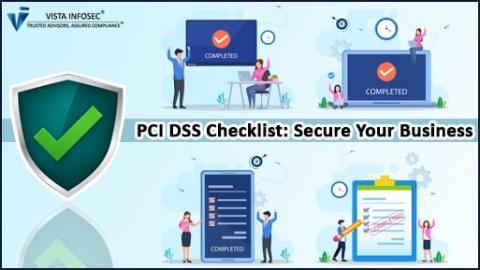
PCI DSS Readiness Assessment

The PCI Council has set a robust framework comprising a comprehensive set of requirements for enhancing the security of payment card data. So, prior to performing the final PCI DSS Audit, most Level 1 Merchants conduct a PCI Readiness Assessment. This is to validate the effectiveness of their security implementation and the readiness for the final audit.