Security | Threat Detection | Cyberattacks | DevSecOps | Compliance

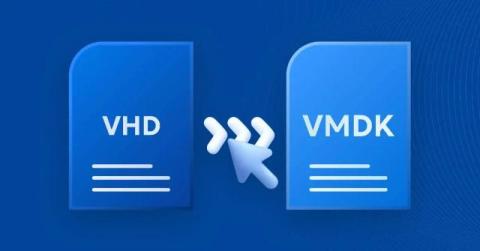
How to Convert VHD to VMDK: A Step-By-Step Guide

VMware vSphere and Microsoft Hyper-V are two of the most popular virtualization platforms. Each solution uses different virtual disk file formats for virtual machines. This means you need to convert virtual disk files when moving VMs between VMware and Hyper-V. For example, you may need to migrate VMs between hypervisors for testing. In other cases, you may need to change the format if you’ve chosen the wrong one when creating the VM. Hyper-V uses VHD and VHDX for VMs, while VMware uses VMDK.

VMware Backup After Broadcom: Key Changes and Best Practices

At the end of 2023, Broadcom completed its acquisition of VMware, reshaping one of the most influential names in virtualization. This move introduced significant changes in licensing, product structure, administration and data protection. As Broadcom reorganizes VMware and its ecosystem, the effects are being felt across customers, partners and backup solution vendors.

Quick Fixes for Office 365 Slowing Down the Computer

Office 365 slow performance issues can be a headache for employees in your organization and for customers. If Microsoft Office 365 slows down users’ computers, productivity suffers and workflows are disrupted. Customers may be dissatisfied accessing a slow SharePoint site, which would negatively impact your organization’s reputation. In this case, you should find the reasons for Office 365 performance issues and fix them as quickly as possible.

A Guide on How to Find Old Emails in Microsoft 365 (Office 365)

Microsoft Exchange and Outlook email services are among the most popular email applications in business environments. Sometimes, new users cannot find old emails in the Outlook client or Outlook web application after three or twelve months. One of the possible reasons may be improper synchronization settings in Outlook. Read this blog post to discover how you can find old emails and get Outlook emails back.

VMware to Hyper-V Migration with Microsoft Virtual Machine Converter (Step-by-Step)

In this video, you’ll learn how to migrate a VMware virtual machine to Microsoft Hyper-V using Microsoft Virtual Machine Converter (MVMC). The walkthrough covers two real-world migration scenarios: Migrating a VMware VM from an ESXi host using the MVMC GUI Converting VMware virtual disks to Hyper-V format using PowerShell cmdlets The example VM runs Windows Server 2019, and the video explains key prerequisites such as uninstalling VMware Tools, checking the boot mode (BIOS or UEFI), and choosing the correct Hyper-V VM generation.

Introduction to Amazon S3: How Object Storage in the Cloud Works

Amazon Simple Storage Service (S3) is a popular cloud storage service part of the Amazon Web Services (AWS). Amazon S3 cloud storage provides high reliability, flexibility, scalability and accessibility. The number of objects and the amount of data stored in Amazon S3 is unlimited. S3 cloud storage is attractive for business because you pay only for what you use. However, terminology and methodology may lead to misunderstanding and difficulties for new Amazon S3 users. Where is S3 data stored?

Initial VMware ESXi Host Configuration

The initial ESXi configuration after installation is an important step in making sure the host is functional, that is ready to serve as a standalone host or as part of a vCenter cluster. In the previous post, we explained the interactive ESXi installation step by step. Once the installation is done, you need to complete some initial ESXi configuration in the Direct Console User Interface (DCUI) and embedded VMware Host Client.