Security | Threat Detection | Cyberattacks | DevSecOps | Compliance

Cato CTRL Threat Research: Operation Poisson - Analyzing a Cybercriminal's Entire Operation

Cato CTRL recently analyzed an operator’s command-and-control (C2) server’s entire 33 days operation, including the steps he took to preserve access after the takedown. 339 commands. Four French victims. Between March 30 and May 1, 2026, Cato CTRL studied every command issued by a French-speaking threat actor (“Poisson”) against one French automotive small business and four French individuals.

From CVE Disclosure to Agentic Protection in 45 Minutes. Why it Matters Now.

A CVE lands in the morning. Hours later, attackers are exploiting it in the wild. The patch is not ready, the change window is days away, and the clock is already running. None of this is new. What changed is that vulnerability exploitation is now the most common path into organizations.

Cato Expands the Power of the Platform with New Technology Ecosystem

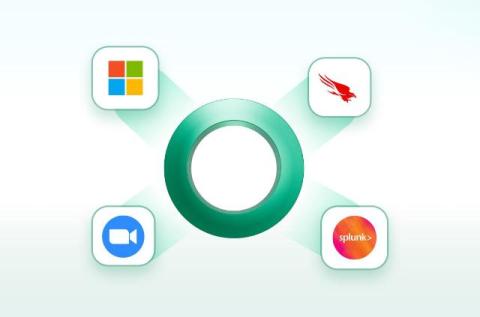
Modern IT and security teams no longer evaluate platforms in isolation. They ask how a platform fits into the architecture they run, the workflows they trust, and the outcomes they need to improve. Enterprise stacks are not isolated; they are interdependent. Identity shapes access, endpoint posture influences policy, while SIEM tools drive investigations and rely on shared data and context. AI tools introduce new layers and patterns of usage, risk, and data movement across the network.

Cato CTRL Threat Research: From Fiscal Lures to Remote Access, A Previously Undocumented NinjaOne RMM Abuse Chain

Cato CTRL researchers recently identified an undocumented, active phishing campaign targeting Brazilian organizations with fake business-document lures, downloading a NinjaOne Remote Monitoring and Management (RMM) agent. The use of NinjaOne is particularly significant, underscoring how attackers no longer need exotic malware to penetrate an enterprise. Familiar business workflows and software is enough.

Reducing Time-to-Protect with Cato's Self-Evolving Vulnerability Protection Agent

TL;DR: In the age of frontier AI models, vulnerability discovery and exploit development are scaling faster than human defenders can manually respond. Security teams already face growing CVE volumes, shorter exploitation windows, and manual workflows for researching vulnerabilities, creating protections, validating them, and preparing them for deployment. As attackers weaponize vulnerabilities faster than organizations can patch them, time-to-protect is becoming a critical security metric.