Security | Threat Detection | Cyberattacks | DevSecOps | Compliance

Is Slack using your data to train their AI models? Here's what you need to know.

AI is everywhere—but how can you be sure that your data isn’t being used to train the AI models that power your favorite SaaS apps like Slack? This topic reached a fever pitch on Hacker News last week, when a flurry of Slack users vented their frustrations about the messaging app’s obtuse privacy policy. The main issue?

Building your own AI app? Here are 3 risks you need to know about-and how to mitigate them.

After the debut of ChatGPT, and the ensuing popularity of AI, many organizations are leveraging large language models (LLMs) to develop new AI-powered apps. Amidst this exciting wave of innovation, it’s essential for security teams, product managers, and developers to ensure that sensitive data doesn’t make its way into these apps during the model-building phase.

5 things you need to know to build a firewall for AI

Everywhere we look, organizations are harnessing the power of large language models (LLMs) to develop cutting-edge AI applications like chatbots, virtual assistants, and more. Yet even amidst the fast pace of innovation, it’s crucial for security teams and developers to take a moment to ensure that proper safeguards are in place to protect company and customer data.

4 key takeaways from the 2024 Verizon Data Breach Investigations Report

It’s that time of year again: The 2024 Verizon Data Breach Investigations Report is back with the top trends in security breaches over the past year. Read on for an at-a-glance look of some of the report’s most interesting—and actionable—findings.

Top 5 SaaS misconfigurations to avoid and why

Cloud storage services and SaaS apps like Google Drive and Microsoft OneDrive provide convenient, scalable solutions for managing documents, photos, and more—making them indispensable for modern work and personal life. However, misconfigured settings and permissions can lead to serious security breaches, noncompliance, and even the loss of customer trust. Let’s explore the 5 most common misconfiguration issues with real-world examples.

Nightfall AI: AI-Powered Data Leak Prevention (DLP) for the Enterprise

Data leak prevention (DLP) has become a critical tool for securing the modern enterprise. Think of popular workplace apps like Slack, Salesforce, Google Drive, M365, ChatGPT, and more; these apps have revolutionized workplace productivity, but they’ve also provided new pathways to spread sensitive data and risk compliance. This is where DLP solutions come in. However, legacy DLP relies on rules and heuristics, which overload security teams with false positive alerts and slow the remediation process to a grinding halt.

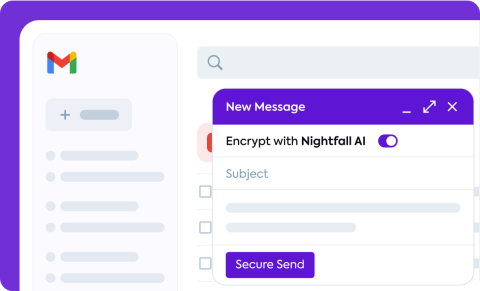
Nightfall Sensitive Data Protection for Email

Leverage Nightfall’s AI-native platform to pinpoint and protect PII, PCI, PHI, secrets, and credentials across SaaS and email, including Gmail. Built with AI at the core, Nightfall Sensitive Data Protection is transforming email DLP by helping security teams to… … detect sensitive data with 2x better precision and 4x fewer false positive alerts. … act swiftly by blocking or quarantining emails, or removing attachments that contain sensitive data.

Nightfall Data Exfiltration Prevention

Nightfall Data Exfiltration Prevention uses generative AI to discover sensitive data and monitor data movement across SaaS apps like Google Drive. Nightfall’s enterprise-grade data leak prevention platform offers several key benefits, such as… … complete coverage across SaaS apps and managed endpoints. … enhanced detection accuracy, leading to 4x fewer false positive alerts. … streamlined workflows, so security teams can monitor data movement and take action from within a single user-friendly console.

Nightfall SaaS Security Posture Management (SSPM)

Nightfall SaaS Security Posture Management (SSPM) offers real-time visibility into permissions and sharing settings to prevent security posture drift. Nightfall leverages generative AI (GenAI) for a dynamic and responsive management approach to SaaS security posture, which means… … unparalleled visibility into sharing and permissions settings across SaaS apps. … enhanced detection accuracy, leading to 4x fewer false positive alerts.

Here's what caused the Sisense data breach-and 5 tips for preventing it

From Uber in 2016 to Okta in 2023 to Sisense in 2024, it’s evident that there’s a pattern behind the tech industry’s most devastating breaches: Data sprawl. Let’s dive into how data sprawl played a part in last week’s Sisense breach, as well as how security teams can be proactive in defending against similar attacks.