
Security | Threat Detection | Cyberattacks | DevSecOps | Compliance

Threat Intelligence Brief: ARTEX AI Attack Framework

ARTEX is an AI-driven attack framework that lets attackers hack at machine speed, and government bodies are among its confirmed victims. Some intrusions reach full control in under three hours. One reached root access in 12 minutes. Three points stand out for critical infrastructure and government: As ARTEX mostly exploits basic gaps, such as leaked credentials, exposed admin interfaces, and unpatched systems, fixing these fundamentals, and acting fast, is still an effective safety measure.

ValleyRAT Malware: Familiar Software Lures Open the Door to Lasting Intrusions

ValleyRAT, also known as Winos 4.0, is a Go-based trojan family first observed in January 2025 that targets x86-64 Windows systems. It is used for remote access, credential theft, input and screen capture, data exfiltration, and installation of additional components. Across 2025 and 2026, it appeared in multi-stage campaigns that combined social engineering, trusted software abuse, and strong evasion to sustain access in corporate and user environments.

WardenStealer Malware: Turning AI Access into an Underground Commodity

WardenStealer is a Rust-based Windows infostealer first observed in November 2026, with reporting also tying active infections to August 2026. Its core purpose is credential theft and data collection, including authentication tokens, cookies, API keys, and local AI application files that support access to platforms such as ChatGPT, Claude, Codex, GitHub Copilot, and Cursor.

Expiro Malware: File Infection, Credential Theft, and Persistent Access

Expiro (also known as Xpiro) is a modular file-infector and information-stealing malware family that has been active since around 2010 and remains a persistent threat in various regions, particularly in Asia, Eastern Europe, and Latin America. Unlike typical standalone trojans, Expiro spreads by infecting executable files on the victim system, appending its malicious code while preserving original functionality.

Grandoreiro Malware: An Evolving Threat to Banking Customers

Grandoreiro is a malware family classified as a backdoor and spyware, first seen in April 2020, and is consistently described as a banking trojan focused on credential theft, remote fraud enablement, and control of compromised Windows systems. It has remained active through recurring campaigns, including a renewed wave in May and June 2026 that concentrated heavily on Latin America, especially Mexico, while also reaching parts of Europe and North America.

RevStealer Malware: A Hidden Data Heist Behind the Promise of Free AI

RevStealer is an infostealer first observed in September 2026 that targets Windows systems, with reported 64-bit execution and JavaScript-based components. It is built to steal authentication credentials and other sensitive user data while emphasizing stealth through anti-debugging, anti-sandbox, anti-VM, and evasion features. Its threat significance comes from a short, theft-focused execution model that pairs broad data collection with concealed command-and-control and exfiltration behavior.

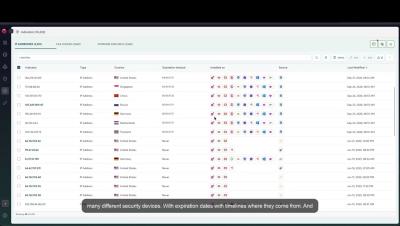
Check Point Exposure Management Safe Remediation Demo: Harden Firewalls, Endpoints Operating Systems

Closing an exposure should not cause an outage. See how Safe Remediation in Check Point Exposure Management turns findings into validated fixes on the security controls you already own, without business disruption.

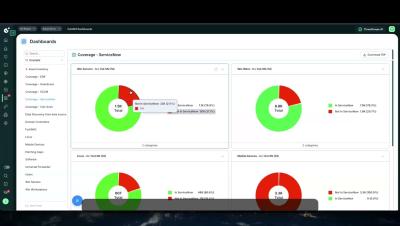
CAASM and Vulnerability Prioritization Demo: See the Full Picture Across Your Security Tools

No single security tool shows the full picture. See how Check Point Exposure Management pulls findings from dozens of tools into one view, so your team can see which assets are exposed, which controls are missing, and what to fix first.

2026 Demo of the Check Point Exposure Management Platform

See how Check Point Exposure Management connects external threat intelligence with what is exposed inside your environment, so your security team knows which threats matter and what to fix first. In this 14-minute walkthrough, Check Point Software shows how Check Point Exposure Management turns 15 years of threat intelligence collection, covering the deep and dark web and threat capture monitoring, into prioritized, actionable exposure data. You see which threat actors and campaigns are relevant to your organization, which vulnerable hosts they could reach, and how to block them in real time.