
What Security Teams Should Expect From a Visitor Management System
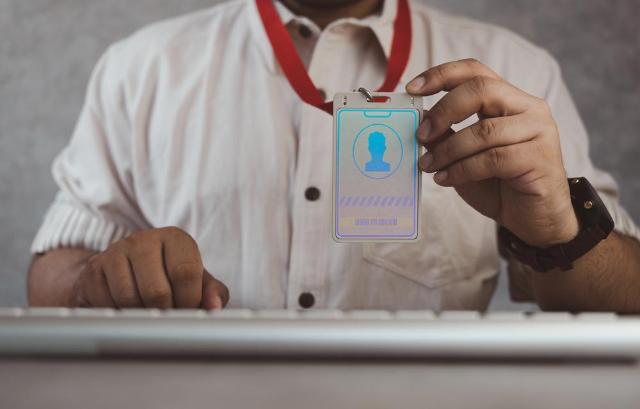
Image Source: depositphotos.com
For most buildings, the front desk is the weakest link in the security program. Money goes into locks, cameras, and alarms, and then a visitor walks up to a paper sign-in sheet and a bowl of pens. Everything spent on keeping the wrong people out can come down to whether whoever’s at reception thinks to ask the right questions.
A visitor management system turns that front desk into an actual checkpoint. Instead of an unverified logbook entry, every visitor is identified, recorded, and given a credential that matches exactly what they’re there to do. For a security team considering one, the real question is what the system should deliver. Here’s what to expect from a good one.
Know Who Is in the Building at Any Moment
The first thing the team should expect is a live, accurate count of every visitor on site. Paper logs cannot tell you who’s still in the building at 4 p.m., only who signed a line that morning. A real system keeps a running record of who checked in, who they’re visiting, and who has checked out, available whenever you need it.
That matters most in the situations you cannot plan for. When an alarm sounds or a building must be evacuated, a current visitor list is the difference between accounting for everyone and guessing. Many systems turn that list into a muster report on the spot, so whoever runs the evacuation works from names rather than a headcount in a parking lot, and responders learn fast if anyone is unaccounted for. The same record answers the quieter questions too, like who was on the third floor the afternoon something went missing.
Screening That Happens Before Arrival
A sign-in sheet screens nobody. It records a name once the person is already inside. A security team should expect a system that moves the check earlier.
Pre-registration lets hosts enter expected guests ahead of time, so they know who's coming before they reach the lobby. On arrival, the system can confirm identity against that registration and run names past an internal watchlist or denied-party list, flagging anyone who shouldn’t be let in. This is also where a system proves its worth with recurring third parties.
Contractors and vendors who come and go are a well-recognized security exposure, too. A visitor system holds them to the same check as a first-time guest instead of a wave from a familiar face. Across a multi-site operation, a shared watchlist means someone turned away at one location cannot simply try the next, which paper logs could never catch.
Credentials That Fit the Visit
Once someone is cleared, what they can do inside should be limited and temporary. A security team should expect visitor credentials that are specific, not a blanket pass. Self-service check-in is part of this too. A kiosk or a pre-sent pass lets expected guests move through quickly, captures any document they need to sign on arrival, and frees reception to watch the lobby instead of typing names.
Good systems issue a badge tied to the visit itself, with the right day, the right areas, and an expiration when the visit ends. The host gets a notification when their guest arrives, so no one wanders unescorted. When the visitor checks out, the credential closes with them, and nothing stays active in the building after they leave.
A Record You Can Stand Behind
Much of a visitor system’s value shows up after the fact. Every check-in, screening result, and checkout builds an audit trail that a paper log cannot come close to.
For teams in regulated industries, that record is often a requirement. It shows who entered, when, who approved them, and what they were cleared for, in a form that holds up to an audit or an incident review. When something does go wrong, being able to reconstruct exactly who was on site and when turns a frantic investigation into a straightforward one.
What Separates a System From a Sign-In Sheet
A logbook and a visitor management platform both capture names. Only one of them actually manages anything. The real system screens before the door, issues credentials that expire on their own, and leaves a record a security team can trust. For anyone responsible for who gets into a building, those aren't extras. They’re the baseline worth expecting.