
Technology Driven Inventory Control in Factory Operations
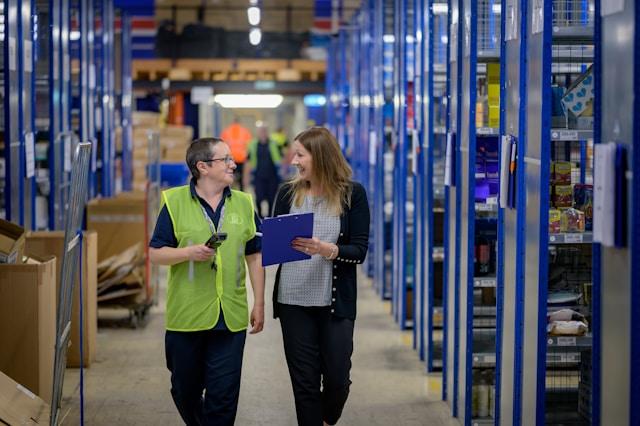
Factories are changing fast with new digital tools. Managing parts and products used to be a manual headache for many teams.
Now smart systems track every item from the moment it arrives. This shift helps floors run more smoothly without the old paperwork.
Modern Systems Speed Up Production
Getting items to the right spot at the right time is the goal of any shop floor. Many managers are looking for inventory control tools for factory operations to keep their workflows moving without constant manual checks. These digital solutions provide a clear view of what is in stock at all times.
Small delays in finding a specific bolt or bracket can stall an entire line for hours. A digital map makes sure that never happens. It tracks the flow of parts from the loading dock to the final shipping crate.
Having this data helps teams plan their shifts with better accuracy. It removes the guesswork that often leads to overstocking or missing parts. When the numbers are clear, the whole team can work with more confidence.
How Automation Reduces Waste
Waste is a silent profit killer in the manufacturing world. Overproduction often happens when the team does not realize they already have enough sub-assemblies ready. This leads to piles of parts sitting in the way of other tasks.
A specialized research journal explained that intelligent automation makes production schedules better by spreading out resources. This prevents unused materials from sitting around and taking up valuable floor space. It keeps the flow of the building moving at a steady pace.
Cutting down on waste means the factory operates with a much leaner budget. Every dollar saved on materials can go back into growing the business or buying new machines. It makes the entire operation more resilient to changes in the market.
The Role Of Smart Sensors
Sensors are the eyes and ears of a modern warehouse. They can detect when a bin is nearly empty and send an alert to the purchasing department. This happens instantly without anyone needing to walk over and check.
These devices connect to a central network to give a real-time map of the facility. Workers no longer spend 20 minutes searching for a pallet that was moved yesterday. The system knows exactly where every pallet sits at all times.
This connectivity creates a seamless link between the loading dock and the assembly station. It turns the physical factory into a data-driven environment. Managers can see problems forming before they slow down the work.
Market Growth In Optimization
More companies are investing in warehouse tech than ever before. This trend shows that leadership teams see the value in digital tracking. They are moving away from old habits to stay competitive.
Market data indicates that the segment focused on optimizing inventory is the largest part of the industry. Experts expect this area to grow the fastest through the year 2032. This rapid rise suggests that even small shops are starting to adopt these tools.
High growth means more innovation and lower costs for smaller factories. New software becomes accessible to shops that could not afford it 5 years ago. This levels the playing field for businesses of all sizes.
Improving Team Productivity
When workers have the right tools, they spend less time on manual logs. This lets them focus on high-value work like quality control or machine maintenance. It takes the pressure off people who are already busy.
Better tracking leads to several key benefits for the daily crew:
- Fewer errors when picking parts for a build.
- Clearer instructions for where to place incoming stock.
- Less stress during the monthly stock count.
Simplifying these steps creates a more positive culture on the floor. People feel more capable when the system supports their work instead of making it harder. It makes the workday go by much faster.
Digital Records And Accuracy
Paper logs are prone to human error and are easily lost. Switching to a digital record makes sure that the history of every part is saved. This data stays safe even if a computer breaks down.
This level of accuracy is a big help when a factory needs to check its processes. Managers can see exactly when a batch of material arrived and where it went. This makes finding a mistake much easier for everyone involved.
Having one single source of truth stops arguments between departments. Everyone sees the same numbers on their screen at the same time. It helps the office and the warehouse work together as one unit.
Planning For Future Demand
Predicting what customers will want next month is a difficult task. Modern software uses data from the past to spot trends that humans might miss. It looks at numbers from the last 3 years to find patterns.
If a certain part always runs low in July, the system can suggest a larger order in June. This proactive approach keeps the factory running even during busy seasons. It prevents the panic that comes with a sudden stockout.
Consistent production builds trust with customers and suppliers. They know the factory can handle their orders without unexpected delays. This reliability is worth a lot in a competitive market.
Transitioning to tech-based control is a big step for any operation. It requires a change in mindset but offers massive rewards in the long run.
A more organized floor is a safer and more profitable place to work. Taking the time to upgrade today sets the stage for success tomorrow.