
Technological Advantages of Biophotonic Glass Packaging
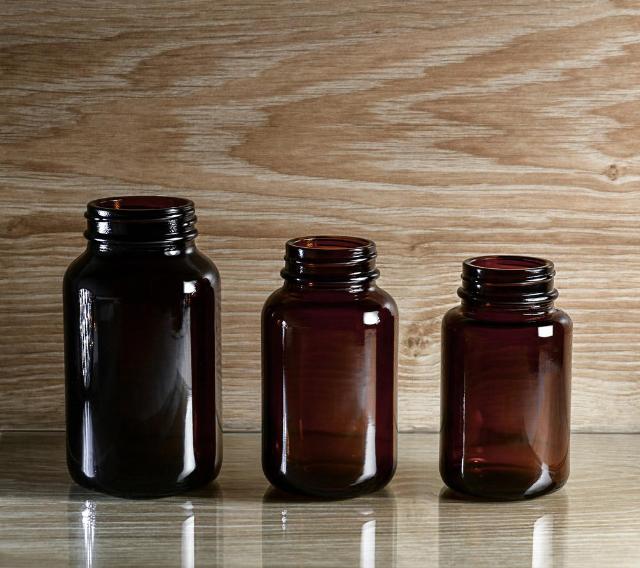
Image Source: depositphotos.com
After months of cultivation, drying, and curing, cannabis flower and pre-rolls are at their most vulnerable when they enter the supply chain. From a security and risk perspective, packaging is the control layer that protects product integrity against environmental attack vectors such as light exposure, oxygen ingress, moisture drift, and physical damage. For brands competing on terpene profile, potency, and consistency, the right container is not a marketing afterthought. It is part of quality assurance and brand trust.
Why packaging performance matters for flower and pre-rolls
Cannabis products degrade in predictable ways. Light can accelerate oxidation and cannabinoid breakdown. Weak seals allow volatile terpenes to escape, flattening aroma and perceived freshness. Pre-rolls add another operational risk: deformation and breakage during transport, which can lead to customer complaints, write-offs, and returns.
Packaging decisions work best when treated as a control selection exercise. Define the risks, choose materials and closures that mitigate them, then verify performance with repeatable tests.
How biophotonic violet glass supports product preservation
Biophotonic violet glass is engineered to filter wavelengths associated with degradation, helping reduce light-driven quality loss. Combined with a well-designed closure, it supports a more stable terpene profile and a fresher consumer experience over time.
For procurement and QA teams, the priority is repeatability across lots and distribution conditions. Request material specifications, confirm closure compatibility, and validate packaging under temperature swings and handling that reflect real routes and storage.
Compliance and safety as a built-in control
Cannabis packaging rules vary by market, but the direction is consistent: child-resistant options where required, clear labeling, and packaging that supports safe handling. Compliance efforts often fail on operational details, for example when documentation is incomplete for distributors, or when a closure choice does not align with local child-resistant expectations.
When evaluating premium containers for flower and pre-rolls, Miron's range of natural products packaging provides a practical reference point for comparing preservation-focused formats that can be configured for regulated categories.
The detail that makes or breaks a seal
Even the best jar can underperform if the interface between container and closure is not engineered correctly. Thread design, tolerances, liner choice, and applied torque all influence whether oxygen and moisture can migrate over time.
It is therefore useful to understand neck finishes, the standardized dimensions and thread profiles that determine closure compatibility and sealing performance. This affects line setup, torque windows, and re-close feel, and it influences whether the seal remains consistent across lots.
A practical evaluation checklist
To keep decisions objective, treat packaging selection like a lightweight threat model.
- Light protection requirements based on storage and retail exposure
- Seal integrity targets and how you will test them over time
- Child-resistant needs and the documentation required for target markets
- Line compatibility including torque control, capping equipment, and rework rates
- Transport resilience for pre-rolls to reduce deformation and breakage
Conclusion
In a market where product quality is scrutinized by consumers and regulators alike, packaging is a measurable control that protects terpene profile, potency, and brand reputation. Biophotonic violet glass, paired with engineered closures and the right neck finish, helps reduce degradation risk and deliver a consistent experience from production to retail.