
Polygraph Training in Europe: Building the Next Generation of Professional Examiners
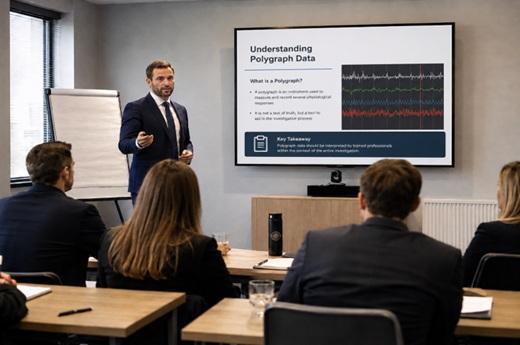
Across Europe, interest in professional polygraph training is growing. Private investigation companies, security professionals, legal support specialists, HR investigators, and forensic practitioners are increasingly looking for structured education in credibility assessment.
However, becoming a polygraph examiner requires more than enthusiasm or technical curiosity. It requires formal training, supervised practice, ethical discipline, and a strong understanding of forensic psychophysiology. PolygraphTraining.eu has been created to give European candidates a clearer route into this specialist profession. The platform presents a structured training pathway for people who want to progress from introductory study to advanced examiner preparation, with online learning supported by practical in-person training.
Why Europe Needs Specialist Polygraph Examiner Training
Polygraph examination is often misunderstood. Some people see it as a simple lie detector test, while others assume that operating the instrument is the main skill. In reality, the instrument is only one part of the process.
A professional examiner must understand how to conduct a complete examination, including:
- Assessing whether a person is suitable for testing
- Preparing the test environment
- Conducting a structured pre-test interview
- Formulating accurate and ethical test questions
- Using recognised polygraph techniques
- Recording physiological data correctly
- Identifying artefacts and possible countermeasures
- Applying numerical scoring methods
- Preparing a clear professional report
- Explaining results responsibly
This is why proper examiner training must be detailed, structured, and practical. A short introduction or purely online course cannot replace full professional preparation.
PolygraphTraining.eu: A Clear Training Pathway
PolygraphTraining.eu presents a European pathway for candidates who want to develop gradually and responsibly. The training model is built around two main stages: a Beginner Polygraph Examiner Course and an Advanced Polygraph Examiner Course.
This staged model is important. A person who has completed beginner-level training may understand the foundations of polygraph science, but that does not automatically mean they are ready to conduct examinations independently. Independent professional practice should come only after more advanced training, practical instruction, and assessment.
By separating the beginner and advanced stages, PolygraphTraining.eu helps candidates understand where they are in their professional development and what they still need to complete before working as independent examiners.
The Beginner Course: Learning the Foundations
The Beginner Polygraph Examiner Course is designed as the first serious step into the field. It gives students the foundation needed to understand how polygraph examinations work and why correct methodology is essential.
At this stage, students should learn the core concepts of forensic psychophysiology and credibility assessment. This includes the physiological channels measured during an examination, the role of the pre-test interview, the logic of comparison-question testing, and the ethical responsibilities of the examiner.
The beginner level should also help students understand the limitations of the field. A professional examiner must know when a test should not proceed, how to identify unsuitable examinees, and why consent, confidentiality, and correct question design are essential. This foundation is necessary before a student can move into advanced practical training.
The Advanced Course: Moving Toward Professional Practice
The Advanced Polygraph Examiner Course is designed for candidates who already understand the basics and are ready to develop examiner-level skills. This is where students move beyond theory and begin learning how to perform examinations in a professional setting.
Advanced training should focus on the practical application of recognised techniques. Students need to learn how to prepare and conduct a full examination, collect usable physiological recordings, evaluate charts, manage difficult examination situations, and produce professional reports.
This stage is especially important because examiner competence cannot be developed through reading alone. Polygraph work involves communication, observation, timing, technical setup, procedural discipline, and decision-making. These skills must be practised and assessed.
Practical Training in Madrid
One of the strongest elements of the PolygraphTraining.eu pathway is the practical training component in Madrid. In-person instruction allows students to work directly with instructors, practise examination procedures, and receive feedback on their performance.
Practical workshops are essential because they expose students to the realities of examiner work. They learn how to interact with examinees, handle nervous or emotional subjects, avoid mistakes in question formulation, and recognise problems in physiological recordings.
During practical training, students can develop confidence in areas such as:
- Sensor placement
- Instrument operation
- Pre-test communication
- Question review
- Chart collection
- Artefact recognition
- Scoring practice
- Report preparation
- Professional examiner conduct
For future examiners, this practical stage is often where theory finally becomes professional skill.
The Importance of EPA and BPS Approval
PolygraphTraining.eu promotes training approved by the European Polygraph Academy and the British Polygraph Society. This is significant because professional recognition helps students demonstrate that their education follows a defined standard rather than an informal or unverified model.
In a field where examiner competence directly affects clients, examinees, and professional decisions, standards matter. Training connected with recognised professional bodies gives candidates a stronger foundation for credibility, professional membership, and future practice. Approval and recognition also help distinguish serious examiner education from short, commercial courses that may not provide sufficient preparation.
Who Can Benefit from This Training?
Polygraph training may be suitable for professionals from several backgrounds. These include:
- Private investigators and security consultants
- Law enforcement officers, military personnel, and intelligence professionals
- HR investigators, lawyers, and compliance specialists
- Criminologists, psychologists, and fraud investigators
It may also be suitable for people who want to build a new professional service in the field of credibility assessment.
However, not every candidate is suitable. Polygraph work requires maturity, patience, analytical thinking, emotional control, and strong ethical judgment. Examiners often work with sensitive allegations, including infidelity, theft, workplace misconduct, abuse allegations, and criminal matters. The ability to remain neutral and professional is essential.
Online Learning with In-Person Practice
The hybrid format used by PolygraphTraining.eu is especially practical for European students. Online learning allows candidates to complete theoretical modules without needing to travel for every part of the course. This makes the programme more accessible to students from different countries.
At the same time, the practical workshop ensures that students are not trained only through a screen. The in-person element is necessary because examiner skills must be observed, corrected, and developed through live practice. This combination gives candidates flexibility without removing the practical supervision required for serious professional training.
More Than Learning to Use a Machine
A common mistake is to think that polygraph training is mainly about learning how to use a polygraph instrument. In reality, the instrument records physiological data, but the examiner is responsible for the entire procedure.
A poorly trained examiner can create problems even with high-quality equipment. Badly worded questions, an inadequate pre-test interview, poor sensor placement, failure to notice artefacts, or incorrect scoring can all damage the quality of an examination. Professional training teaches students that the examiner, not the machine, is responsible for the integrity of the process.
Career Opportunities After Training
After completing full professional training, graduates may use their skills in several areas, depending on the laws and professional standards in their country. These may include:
- Private credibility assessment
- Relationship and family-related testing
- Theft and workplace investigations
- Legal support and criminal defence work
- Probation-related contexts or specialist forensic consulting
Some graduates may join existing polygraph service providers, while others may develop their own practice. Others may use polygraph training as an additional skill within investigation, security, or legal work. The exact opportunities depend on local regulations, professional membership requirements, and the examiner’s level of training and experience.
Why Choosing the Right Training Provider Matters
The quality of training will influence the quality of future examinations. A candidate should look for a programme that offers a proper curriculum, clear stages, practical supervision, recognised standards, assessment, ethical instruction, and support after the course.
PolygraphTraining.eu is designed to make this pathway easier to understand. It gives candidates a clear starting point, explains the progression from beginner to advanced training, and highlights the importance of practical instruction in Europe. For students who want a serious route into the profession, this structure is much more useful than vague promises or one-day introductory seminars.
Conclusion
Polygraph examination is a professional discipline that demands knowledge, skill, and responsibility. Europe needs properly trained examiners who understand scientific principles, ethical practice, recognised methodology, and the realities of working with sensitive cases.
PolygraphTraining.eu offers a structured European pathway for candidates who want to begin their education, progress through advanced examiner training, and develop practical competence through supervised instruction.
For anyone considering a future as a polygraph examiner, the message is simple: choose structured training, learn the foundations properly, complete practical supervision, and treat polygraph examination as a serious forensic profession — not just a technical service.