
IT entrepreneur Serhiy Tokarev shared his insights on how to scale the startup ecosystem in Central and Eastern Europe
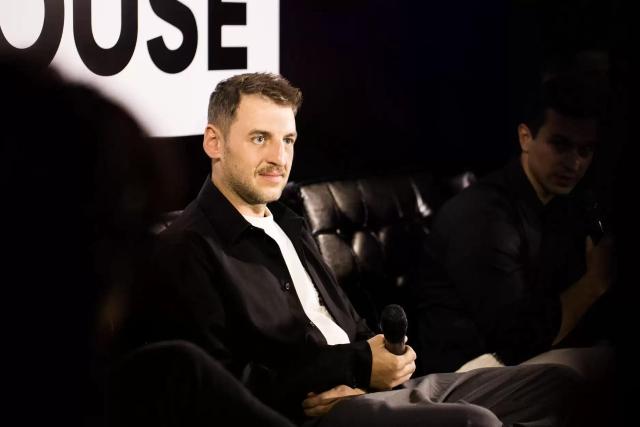
Over the past ten years, the startup scene in Central and Eastern Europe (CEE) has really taken off. Even with that growth, some old ideas keep hurting the region’s image with investors and business founders. Things like people thinking the area is unstable politically, that its market is too small, or that there isn't enough cash around. Investor Serhiy Tokarev talked about what's great about CEE startups and how to grow the market.
Myths that should be forgotten
Insufficient capital
Only Poland attracted more than €2 billion in 2024. Today, many investors believe that there is even more capital in CEE than there are startups ready for scaling.
The region is politically unstable
The idea of ‘general instability’ is long outdated, as the level of risk varies significantly between countries. Ukraine is showing resilience despite the war, while the Czech Republic and Poland are EU members with predictable regulatory systems.
CEE is just outsourcing
Outsourcing is still a big deal for the economy – Ukraine sold about $6.4 billion in IT services in 2024. But hey, there's more! Grammarly and ElevenLabs are killing it right now, and they're helping bring some awesome new things to life.
Four strengths of Central and Eastern Europe
The CEE startup ecosystem is now 15.5 times ahead of Western Europe in terms of total startup value. Poland is ahead in the area, getting over €2 billion in venture capital in 2024. Also, there's a huge community of 280,000 developers and awesome companies like ElevenLabs and Docplanner involved. In addition, get this, despite the war, Ukraine still has the largest number of developers in Europe, with 340,000 IT pros. They're also supporting over 2,500 startups. Romania has over 202,000 tech people and a business environment worth €19 billion. The Czech Republic has a ton of engineers—somewhere between 100,000 and 130,000. They've got a government program called CzechInvest that brought in around €264 million in 2024.
These scenes might be at various points in their growth, but each one has its own strengths to assist founders in Central and Eastern Europe.
- Technical talent. With solid STEM training, CEE engineers are ready to meet tough industry standards with top-notch work and fix issues fast. They're also great at complex calculations and using physics, math, and engineering to create new stuff with the latest tech.
- Global approach. The majority of nations in the area possess very limited local markets; as a result, start-up businesses target international customers from the beginning of their operations. Many new businesses will provide a remote-first product model that facilitates access to the UK and the USA markets.
- Cost advantages. The price of hiring developers in the Central and Eastern European regions is less than that of Western Europe and the United States; therefore, Startups can form competent teams and complete projects faster, with less expense.
- A culture of execution. People who invest in this area often say that the founders here are practical. Startup teams in Central and Eastern Europe usually build fast prototypes, update often, and prefer to build things instead of just talking about them.
Why it is important to retain founders and bring their experience back into the ecosystem
‘If capital is no longer a problem, what is holding back growth? Retaining founders and bringing their experience, connections, and successes back into local ecosystems is playing an increasingly important role,’ says Tokarev. He mentions that lasting progress isn't just about money; it's also about setting up good mentoring and learning spaces to support the next generation of founders. Serhiy Tokarev points out that those community projects, like the STEM programs he backs in Ukraine, show how solid career advice and mentoring can boost the talent pool and keep young experts involved in their communities.
Over 90% of Ukrainian scaleup companies are moving their headquarters abroad; even in stable countries such as Estonia, more than half of startups are relocating. For those selling to the US market, this is often rational. But their absence deprives their home countries of the ‘startup mafia’ effect — the very thing that made Silicon Valley the centre of global innovation.
Serhiy Tokarev believes Central and Eastern Europe doesn't just need cash right now; it needs successful founders to get involved. He thinks having experienced business owners actively participate over the long haul will boost the ecosystem faster than just throwing more money at it.