
The Hidden Path From a Household Gadget to Your Personal Data
Most people think about cybersecurity in terms of computers and smartphones. When they hear about data breaches, identity theft, or compromised accounts, they picture hackers targeting laptops, email inboxes, or financial institutions. Few people imagine that a device mounted quietly on a wall could become part of the story.
Yet modern homes contain dozens of connected devices that collect information, communicate with networks, and interact with cloud-based services. Thermostats, cameras, speakers, appliances, lighting systems, and entertainment equipment have transformed ordinary houses into digital environments. While these technologies offer convenience, they also create new pathways that deserve attention.
The concern is not that every smart device is dangerous. The concern is that homeowners often view connected devices as isolated products when they are actually part of a larger ecosystem. Understanding how those connections work helps explain why cybersecurity has become a household issue rather than just an IT problem.
Every Connected Device Becomes Part of a Network
Years ago, most household electronics operated independently. A thermostat controlled temperature. A television displayed channels. A doorbell rang when someone pressed a button.
Today, many devices communicate with applications, online accounts, cloud services, and home networks. The moment a product connects to the internet, it becomes part of a broader digital environment.
This does not automatically create risk. However, it does mean that security is no longer limited to traditional computers. A vulnerability anywhere within a connected environment may provide opportunities for unauthorized access elsewhere.
The more devices that communicate with one another, the more important it becomes to understand how those devices are managed and protected.
Convenience Often Encourages Trust
One reason connected technology has become so popular is that it removes friction from everyday life.
People can adjust settings remotely, automate routines, receive notifications, and monitor systems without being physically present. Convenience encourages adoption because it solves practical problems.
During a renovation project, a homeowner evaluating climate-control options may spend considerable time comparing different systems before selecting a line voltage smart thermostat. The discussion around the purchase is focused largely on comfort, scheduling, and energy management rather than cybersecurity.
That reaction is understandable. Most consumers naturally focus on the primary purpose of a device rather than the broader digital infrastructure supporting it.
Weak Security Often Starts With Simple Decisions
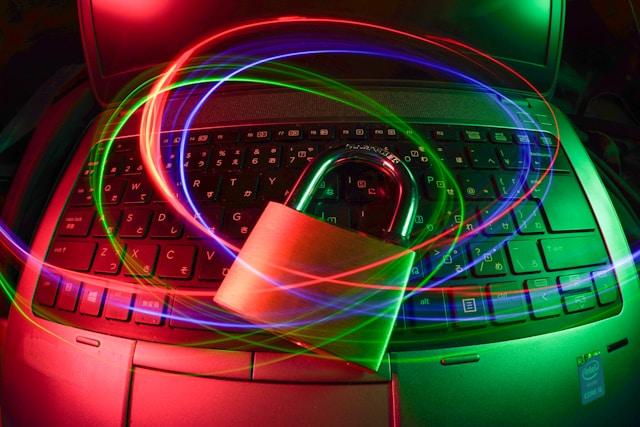
Photo by Dan Nelson on Unsplash
Popular culture frequently portrays cyberattacks as highly sophisticated operations. In reality, many security incidents begin with surprisingly ordinary mistakes.
Weak passwords, outdated software, neglected updates, reused credentials, and forgotten accounts continue to create opportunities for unauthorized access. These issues are not unique to computers. They can affect virtually any connected device.
A homeowner might carefully protect online banking credentials while overlooking the security settings attached to devices connected to the same network. Over time, those small oversights can accumulate.
Cybersecurity experts consistently emphasize the importance of maintaining basic digital hygiene because simple precautions often prevent larger problems.
Information Moves Through More Systems Than People Realize
Modern technology relies on interconnected services.
A device may communicate with a mobile application. That application may interact with cloud servers. Those servers may process information used for updates, notifications, diagnostics, or account management.
Most of these processes are legitimate and necessary for normal operation. The challenge is that people rarely think about how many systems participate in what appears to be a simple interaction.
As connected devices become more common, understanding where information travels becomes increasingly important. Awareness helps homeowners make informed decisions about account security, privacy settings, and network management without abandoning the benefits of modern technology.
Security Is an Ongoing Process
Many people approach cybersecurity as a one-time task.
They install a device, create an account, choose a password, and assume the work is finished. In reality, connected technology requires periodic attention.
Software updates, security patches, account reviews, and network maintenance all play a role in keeping systems secure. Technology evolves continuously, and security practices must evolve alongside it.
Fortunately, maintaining good habits does not require technical expertise. Regular updates, strong passwords, multifactor authentication, and periodic reviews of connected accounts can significantly improve overall security.
The Smartest Homes Combine Convenience With Awareness
Connected technology is likely to become even more common in the years ahead. Homes will continue incorporating devices designed to improve comfort, efficiency, and convenience.
That future does not require fear. It requires awareness.
The most secure households are not necessarily the ones with the fewest connected devices. They are often the ones where owners understand what is connected, how those systems interact, and what steps are necessary to maintain security over time.
Technology delivers its greatest value when convenience and responsibility develop together. A connected home can be more comfortable, more efficient, and more responsive than ever before. The key is remembering that every device connected to a network becomes part of a larger digital picture, whether it sits in a pocket, on a desk, or quietly on a wall.