Security | Threat Detection | Cyberattacks | DevSecOps | Compliance

NC Protect Named 2022 Policy Management Solution of the Year in the Cybersecurity Breakthrough Awards

Customers, Partners and Colleagues, I am excited to share that archTIS’ NC Protect product has been named 2022 Policy Management Solution of the Year in the 6th annual Cybersecurity Breakthrough Awards.

How to Optimize Governance and Data Security in Microsoft 365 and Teams

The last few years have seen a huge shift in how organizations work with their data. The COVID pandemic accelerated a digital transformation as workers transitioned from the office to home-based and back into hybrid working environments. With this new set-up, collaboration is key to worker efficiency. However, the adoption of Microsoft 365 and Teams as a front-end platform has created new challenges for security teams.

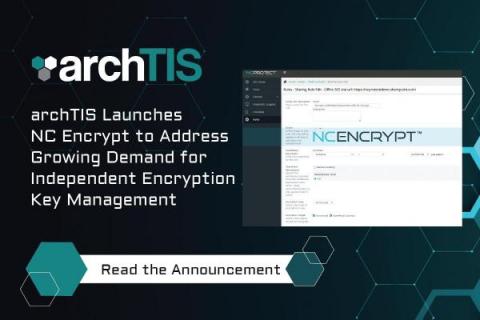
Introducing NC Encrypt - Independent Encryption Key Management and BYOK Support for Microsoft 365 and SharePoint Server

We are pleased to announce the launch of NC Encrypt to provide independent encryption key management and Bring Your Own Key (BYOK) support for Microsoft 365 applications and SharePoint Server environments. The sheer number of communication and collaboration channels the M365 platform has introduced, increases the vulnerability of sensitive data and potential for accidental data loss or overexposure, making protection mechanisms such as encryption critical.

As Seen in ITWeb: ABAC vs RBAC: How to create data security, avoid permission creep

Demands on data have created a host of challenges for security and administration, and traditional tools are not keeping up. As we expand collaboration and business activities outside the office, data moves more widely and user permissions expand with every responsibility or team project. Keeping ahead of this permission burden is tough yet necessary for zero trust “don’t trust, verify” security.

US DoD's Adoption of Zero Trust Heats Up

The US Department of Defense (DoD) initiative to adopt the Executive Order for Zero Trust is heating up. This week the Pentagon’s CIO, John Sherman, announced plans to implement a zero trust architecture agency-wide within the next 5 years – by 2027. To support this initiative, he plans to announce a new strategy next month to help meet the ambitious deadline for an agency of over 4 million people.

When Should You be Using Encryption?

Many organizations want to leverage encryption in their environments. This usually starts off with encrypting data and devices that physically leave the organization. External USB drives with encryption or internal drive encryption on laptops using BitLocker for example. We have all heard stories of secret government documentation being left behind on the train or a laptop with employee information being left in a Taxi while traveling.

Introducing Kojensi SaaS v2.0 with New Export Control Material Capability for ITAR

We’re pleased to announced the release of Kojensi SaaS v2.0 to ensure secure document collaboration and sharing of sensitive and Export Controlled content between Government, Defence, Defence supply chain, and higher education institutions. This new release assists organisations with meeting strict regulatory guidelines and compliance obligations for secure information sharing.

Singapore's PDPA Penalties Set to Increase Starting Oct 1

While the Singapore Personal Data Protection Act (PDPA) 2020 Amendment phases came into effect on Feb 1, 2021, starting on October 1, 2022, the maximum financial penalty for breaches of PDPA will be increased. Here’s what you need to know for the next phase of PDPA and how to ensure your information security practices are compliant to avoid penalties.

Tips for Managing Unstructured Data Security

All information is an attractive target for bad actors, but some is inherently more valuable than others. State-sponsored and hacktivist attacks constantly probe enterprise networks seeking to identify the location of sensitive information. Attackers historically targeted core enterprise systems but as the defenses for those systems have matured, attackers now target the same information but in less secured unstructured (broadly speaking, file and email based) repositories.