Security | Threat Detection | Cyberattacks | DevSecOps | Compliance

Featured Post

Cyber Risk and Incident Response: A Growing Priority Across Industries

Cyber risk has become a dominant priority for organisations across nearly every sector. As the severity and velocity of the threat landscape and technological change continue to accelerate, organisations are under increasing pressure to ensure they can keep pace and recover quickly in the aftermath of a cyber event. A core focus for many organisations is strengthening their incident response capability: how effectively the business can react and recover when an attack occurs.

9,000+ Incident Response Investigations Later: The 11 Essential Cybersecurity Controls

Organizations with mature security programs still get breached. Teams that pass audits still find themselves responding to ransomware, Business Email Compromise (BEC), and credential theft. The controls that satisfy an audit requirement and the controls that significantly reduce the likelihood, impact, and cost of an intrusion are often not the same.

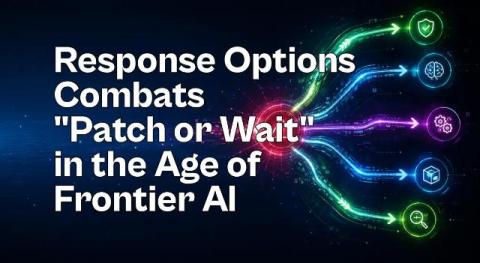
Response Options Combats "Patch or Wait" in the Age of Frontier AI

When a vulnerability is urgent but the full fix isn’t immediately safe to deploy, security teams need another way to reduce risk fast. Seemplicity’s Response Options uses AI to identify and rank multiple ways to neutralize a threat – including patches, configuration changes, compensating controls, and network-level mitigations — based on risk reduction, effort, and operational impact.

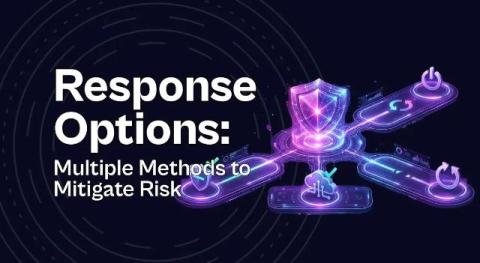
Response Options: Multiple Methods to Mitigate Risk

Seemplicity’s new Response Options feature gives teams multiple ways to respond to a confirmed finding, not just a single full-fix recommendation. AI Analysts surface and rank fix, neutralization, and mitigation paths based on security impact, deployment risk, and effort, helping teams reduce exposure faster while making safer, more informed remediation decisions. Every exposure management program eventually hits the same wall.