Security | Threat Detection | Cyberattacks | DevSecOps | Compliance

It's Time to Understand and Manage Vulnerability Debt

Vulnerability prioritization isn’t just an important piece of any organization’s vulnerability management process. It’s a requirement. With the volume so high, and growing, it’s simply impossible to address every vulnerability an organization encounters. Prioritization comes at a price. Many organizations focus on a small number of the most critical vulnerabilities in their environment, which leads to an important question: What happens to the rest?
Black Hat 2025 - From Chaos to Control - How Bank Of Hope Achieved Zero Critical Vulnerabilities

At Black Hat 2025, Nucleus Security and Bank of Hope shared how a small but determined security team transformed its vulnerability management program into a risk-driven, automated operation.

Exposure Prioritization: Making Smart Decisions with Risk and Business Context

When vulnerability scans return thousands or even millions of findings, leading to an avalanche of tickets to evaluate, the real challenge begins: figuring out what to fix first. Exposure prioritization is the critical next phase of a mature exposure management program. After defining what exposure management is and establishing a normalized foundation of aggregated data, the question becomes: how do we cut through the noise and focus on what truly matters?

Enterprise-Grade Automation, Communication, and Risk: Nucleus Q2 Updates

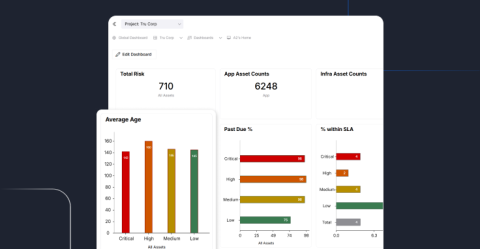
This release raises the bar for enterprise-grade vulnerability and exposure management. We’re delivering on the promise of smarter, faster risk reduction powered by automation, enriched data, and operational depth. From fix-level SLA tracking to scalable API workflows and stakeholder-ready reporting, every enhancement is designed to help teams do more with less, and prove it. Here’s a breakdown of some of the major product updates from Q2 2025.

You Can't Automate What You Don't Understand: Why Context Is the Missing Link in Exposure Management

In our recent webinar featuring Enterprise Strategy Group Principal Analyst, Tyler Shields, we discussed the widening gap between vulnerabilities organizations know about and what they can realistically fix. Most teams are swamped. Too much data, too many tools, and not enough people. Naturally, automation and AI come up as potential solutions. One comment from Tyler has stuck with me since watching and subsequently reviewing the webinar recording.