As technology advances and the use of biometric data becomes more prevalent, it is crucial to address the privacy concerns and regulatory compliance associated with this sensitive data. The General Data Protection Regulation (GDPR) plays a key role in safeguarding individuals’ privacy rights and ensuring the responsible handling of biometric data. Artificial Intelligence (AI) can also be utilized to ensure compliance and responsible handling of biometric data.
Your business is at high risk if you have no security measures. A cyber attack can cause devastating financial damage to your business, including legal liabilities. Cyberattacks can result in lasting adverse repercussions on the reputation of your network security, as clients and customers can lose faith in your business if their personal data gets leaked.
The PCI DSS Checklist is a crucial first step in securing your business. It’s a tool that helps businesses ensure they’re meeting all the requirements of the Payment Card Industry Data Security Standard (PCI DSS). By following the steps outlined in the checklist, businesses can take a comprehensive approach to security measures and access controls, and respond to new threats posed by technological advancements.
Data security has become an essential aspect of our lives and is more crucial than ever before. In the healthcare industry, organizations are entrusted with a plethora of sensitive information, including PHI, PII, and financial data. This renders them accountable for complying with both HIPAA and PCI regulations. Adherence to these regulations is paramount for safeguarding sensitive patient information from data breaches and cyber attacks.
Becoming aware that your company has suffered a data breach can be unsettling. However, due to the nature of cybercriminal activity, it is crucial to react quickly and correctly to contain the incident, minimize any further damages, and protect your business from legal troubles. Data breaches are affecting millions of people across the globe, with over 340 million records already compromised in 2023 headline cases and new incidents surfacing every week.
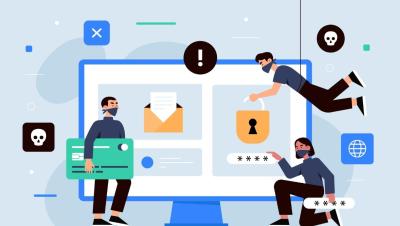
In the digital age, identity theft poses a pervasive threat that organizations, regardless of their size or sector, must relentlessly combat. This insidious form of cybercrime involves the malicious exploitation of sensitive and confidential data, carrying grave implications for any organization. The consequences of a single breach can encompass financial losses, irreparable damage to reputation, and the imposition of regulatory penalties.