
Visual Investing: How Stock Market Maps Can Shape Your Financial Future
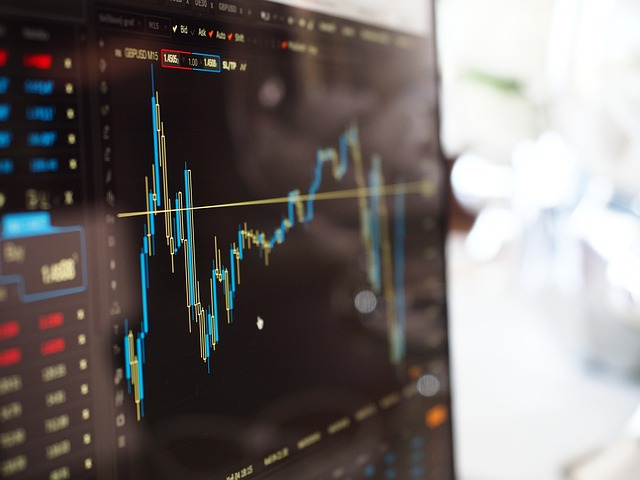
Successful investing requires much more than following stock tips or reading earnings reports. Visual investing through stock market maps can be a powerful tool for helping investors understand and navigate market opportunities.
A Stock Market Map Explained
A stock market map is a visual representation of market data that displays stocks, sectors, or entire markets using colors, sizes, and positioning to convey important information at a glance. These dynamic visualizations typically use heat maps where different colors represent performance levels, with green indicating gains and red showing losses, while the size of each segment corresponds to market capitalization or trading volume.
Unlike traditional charts and tables filled with numbers, a stock market map makes complex market data instantly digestible, and it helps investors spot trends, identify opportunities, and understand market sentiment across hundreds or thousands of securities simultaneously.
The Power of Visual Data Processing
Human brains process visual information exponentially faster than text or numerical data, and this cognitive advantage makes visual investing particularly effective for making quick, informed decisions in fast-moving markets. When you can see an entire sector's performance represented visually, patterns that might be invisible in traditional spreadsheet formats jump out at you.
Visual investing tools help eliminate information overload, which is a common problem that paralyzes many investors. Instead of drowning in endless data streams, investors can focus on the most relevant information presented in an intuitive, easily understood format.
Strategic Applications for Portfolio Management
Stock market maps excel in several key areas of investment strategy.
- Sector rotation is more obvious when you can visually compare how different industries are performing relative to each other. Technology might blaze green while energy shows deep red, suggesting potential rebalancing opportunities.
- Risk management is better because portfolio concentration issues are clearer. If your holdings are heavily weighted in one sector that appears oversized and underperforming in the visual display, you can quickly identify the need for diversification.
- Market timing, while challenging, is more intuitive with visual cues, as broad market stress or euphoria stands out if you look at comprehensive market maps, helping you gauge overall market sentiment and adjust your strategies accordingly.
Technology Driving Innovation
Modern portfolio management platforms increasingly integrate these visual elements, making sophisticated analysis accessible to retail investors who previously lacked institutional-grade tools. Real-time updates ensure that visual representations reflect current market conditions, enabling rapid response to changing circumstances.
Mobile applications let investors monitor market conditions and make decisions from anywhere. This accessibility democratizes advanced investment analysis techniques that were once exclusive to professional traders.
Building Your Visual Investment Future
Incorporating visual investing into your financial strategy doesn't require abandoning fundamental analysis or technical indicators; instead, it enhances these traditional approaches by providing context and clarity that pure data cannot offer.
Explore different visualization platforms to find interfaces that suit your thinking style. Practice interpreting visual market data during calm periods so you're prepared to act decisively during volatile times.
Visual investing represents a fundamental shift toward more intuitive, efficient market analysis. It helps investors make more informed decisions, react more quickly to opportunities, and ultimately build stronger, more responsive portfolios that adapt to changing market conditions.