
The Surprising Automotive Roots of Modern Combine Harvester Technology
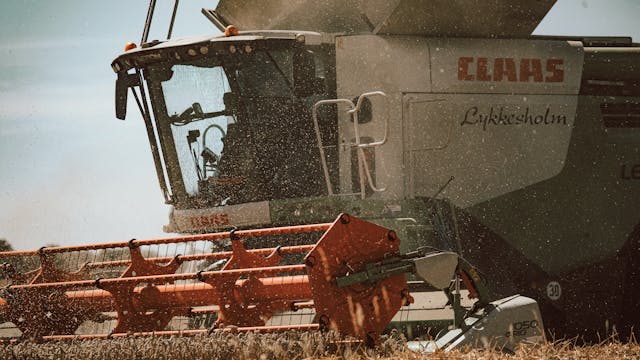
Where do combine harvesters get their brains from?
It feels like combine technology has always been developed in-house by the various manufacturers we see today. But the truth is…many of the critical systems that run your combine harvester actually come from the automotive industry.
GPS guidance systems, hydraulic components, electronic sensors…the list goes on. Plus the artificial intelligence that drives the insane automation you see in some of the newer models. Automotive technology paved the way for today's high-tech ag machinery.
And there's another secret…
Knowing how these technologies can help you maintain your own harvester will ensure you make the best decisions for your fleet. From understanding why draper header parts matter more than ever to getting the most out of GPS data, here's what the automotive industry can teach you about your combine.
What you're going to learn:
- Automotive Technology Runs Your Modern Combine
- Why Draper Header Maintenance Parts Matter
- How Combines Took GPS and Sensors From the Auto Industry
- Maintaining Your Combine Harvester With Quality Parts
Automotive Technology Runs Your Modern Combine
Believe it or not, the combine harvester was invented way back in 1835. The very first machine patent in the US was built by Hiram Moore and it still required 20 horses to pull it across the field.
Compare that to how much ground your machine can cover today.
With the capability to harvest 30 acres per hour by yourself, the combine harvester has come a long way. But it's the technology inside these massive machines that will blow your mind.
Most of those advanced features came from automotive technology.
Automotive technology developed for cars and trucks over the past few decades is what brought us some of the most powerful farm equipment money can buy. Combines have computerized systems that control everything from harvesting & crop flow to driving down the road. These are all heavily influenced by the technology lining the inside of vehicle engines today.
When it comes to maintaining draper headers, understanding how some of that technology applies to your machine can be a huge help. Everything from header belts to hydraulic attachments run on systems that were inspired by automotives. That's why finding and investing in quality Macdon combine headers for sale allows you to keep harvesting with confidence.
How Combines Took GPS and Sensors From the Auto Industry
GPS technology was mentioned above, but here's where things get really interesting.
Midway through the 1990s John Deere realized GPS could be used for precision agriculture. Partnering with a company called NavCom, John Deere began implementing GPS receivers that could connect to their combine sensors and map yield data on the fly.
Here's the crazy part…
Early GPS guidance was only accurate to within 30 feet if it wasn't corrected with additional data. That's like driving your car and trying to park with your legs tied together. No thank you! So the company teamed up with NASA to develop the correction technology still in use today. All John Deere had to do was adapt it for use in farming.
John Deere wasn't the only company using GPS tech…
Between 2001 and 2015 around 162 patents were issued that allowed companies like Case IH, Mahindra and New Holland to follow in John Deere's footsteps. The auto industry wasn't the only supplier of technology though.
Take auto collision avoidance systems for example. LiDAR sensors and cameras have been used on most new vehicles since around 2015, and now they're not uncommon to see on tractors as well. Vehicle technology developed for safety in cars is now keeping drivers safe on the road by feeding them information about their combine.
Today's new farm equipment technology comes from things like:
- Automatic braking systems adapted from trucks
- Cruise control and speedometer sensors now monitor grain tank capacity
- Vehicle safety tech turned yield monitoring
- Automotive ECUs adapted to control engine performance
It all comes full circle to how automobiles have changed the way we drive. Farm equipment technology did the same thing for agriculture…at least in terms of harvesters and combines.
Why Draper Header Maintenance Parts Matter More Than Ever
Okay, so now that the automotive technology behind today's ag equipment has been covered…let's talk about maintenance.
All of those new-fangled features are great. But if your machine can't harvest at capacity because you forgot to keep up with maintenance, then what's the point?
Draper headers use conveyor belts, hydraulic systems and electronic sensors to evenly distribute crop into the combine. When one of those components goes down, everything else feels it.
Combine harvesters are big investments. There were over 845,000 active combine harvesters worldwide in 2024. Maintaining them properly isn't optional if you want them to continue harvesting at top efficiency.
The most common maintenance issues that affect draper headers include:
- Worn draper belts
- Dull knife sections
- Hydraulic leaks
- Broken roller bearings & idlers
- Inaccurate electrical sensors
All it takes is one of those components to go bad before you're losing time (and money) in the field. That's why ensuring your agricultural equipment maintenance checklist includes things like draper belts and header knife components can help you identify problems before they lead to serious damage.
Combine Harvesters are Getting Smarter Every Day
A lot of these high-tech features are only going to become more advanced as time goes on.
Precision farming was valued at over $11.67 billion in 2024 and is expected to reach nearly $30 billion by 2030. A lot of that growth will be powered by automotive technology.
- Autonomous steering — Self-driving vehicle programs have allowed for precision ag steering systems
- Artificial intelligence — AI can now recognize crops using a fusion of cameras and sensors
- Diagnostics — Many harvesters can monitor yields the same way your car checks engine performance
- Firmware updates — Combine machines can get software updates just like your car
Companies like John Deere, CLAAS and Case IH are taking this technology and creating smarter and more powerful farm machines every year.
Just remember…
None of that matters without taking care of your header. Spend $100,000 on the latest GPS monitoring system but if your header belts are worn and dull, you'll never see that kind of return on investment.
Wrapping Things Up
If your combine harvester could talk, it would probably tell you about all the things it has in common with your car.
Advancements in automotive technology gave farmers access to some of the best tools money can buy. Everything from tractor tires to the sensors inside your header goes through extensive research and development before you buy them. That's how you know you're getting quality parts that work.
When was the last time you checked your combines for worn draper parts?