
The Role of Mechanical Insulation in Sustainable Building Design
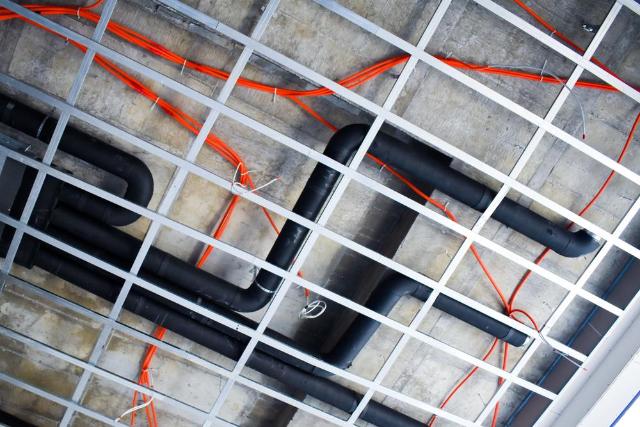
Image Source: depositphotos.com
Sustainable building design has become more than just a trend. Across commercial, industrial, and institutional projects, owners are looking for practical ways to reduce energy use, lower operating costs, and create healthier environments for occupants. While technologies like solar panels, smart lighting, and automated HVAC controls often receive the most attention, one of the most effective solutions is also one of the least visible: mechanical insulation.
Mechanical insulation plays a vital role in improving the performance of heating, cooling, plumbing, and process systems. By controlling heat transfer, preventing energy loss, and protecting equipment, it helps buildings operate more efficiently throughout their lifespan. Whether the project involves a newly constructed office building or the renovation of an aging industrial facility, properly designed insulation contributes to long-term sustainability goals without requiring complicated technology or frequent upgrades.
Understanding Mechanical Insulation
Mechanical insulation refers to insulation installed on mechanical systems rather than within walls or roofs. It is commonly applied to HVAC ductwork, chilled water pipes, hot water lines, steam systems, refrigeration piping, tanks, boilers, valves, and other equipment that carries or stores heated or cooled fluids.
Unlike traditional building insulation, which mainly focuses on separating indoor and outdoor environments, mechanical insulation is designed to control temperatures within operating systems. This distinction is important because even the most energy-efficient HVAC equipment cannot perform as intended if heat is constantly escaping through uninsulated piping or ductwork.
Every degree of temperature loss forces equipment to work harder, increasing energy consumption while placing unnecessary strain on mechanical components.
Reducing Energy Consumption
One of the primary goals of sustainable construction is lowering overall energy demand. Mechanical insulation directly supports this objective by minimizing unwanted heat gain and heat loss throughout a building's mechanical systems.
Consider a commercial office where chilled water travels through hundreds of feet of piping before reaching air handling units. Without proper insulation, the chilled water gradually absorbs heat from the surrounding environment. As temperatures rise inside the piping, chillers must work longer to restore the desired temperature. This extra workload increases electricity consumption every day.
The same principle applies to hot water and steam systems. Heat escaping through exposed pipes means boilers need additional fuel to maintain operating temperatures. Proper insulation keeps energy where it belongs instead of allowing it to dissipate into mechanical rooms or ceiling spaces.
Although each individual section of insulated piping may seem insignificant, the cumulative savings across an entire building can be substantial over many years.
Supporting Green Building Certifications
Many sustainable building projects pursue certifications that recognize environmentally responsible construction practices. Programs such as LEED and other green building standards evaluate energy efficiency, resource conservation, and long-term operational performance.
Mechanical insulation contributes toward these goals by improving system efficiency without increasing energy demand. Better-performing HVAC systems require less electricity and fuel, reducing greenhouse gas emissions associated with building operations.
Unlike some sustainability investments that require ongoing maintenance or software updates, insulation continues delivering energy savings for decades when installed correctly and maintained properly.
Its long service life makes it one of the most cost-effective improvements available during both construction and renovation projects.
Improving HVAC System Performance
Heating and cooling systems are among the largest energy consumers in most commercial buildings. Sustainable design focuses not only on selecting efficient equipment but also on ensuring that equipment operates under ideal conditions.
Mechanical insulation helps maintain consistent air and water temperatures as they travel throughout the building. This improves overall HVAC performance while reducing unnecessary cycling of compressors, pumps, and boilers.
Stable operating temperatures also contribute to better indoor comfort. Occupants experience more consistent heating and cooling because conditioned air reaches occupied spaces closer to its intended temperature.
As a result, building managers spend less time responding to complaints about rooms that feel too warm or too cold.
Preventing Condensation Problems
Sustainability involves protecting buildings from avoidable damage as much as reducing energy use.
Cold piping that lacks insulation often develops condensation when warm, humid air contacts its surface. Water droplets may seem harmless at first, but over time they can damage ceilings, walls, flooring, and nearby equipment.
Persistent moisture also creates conditions that encourage mold growth, corrosion, and indoor air quality issues.
Mechanical insulation helps maintain surface temperatures above the dew point, preventing condensation before it becomes a costly maintenance problem.
Avoiding moisture-related damage extends the lifespan of building materials while reducing repair costs and material waste.
Extending Equipment Life
Replacing large mechanical equipment requires significant financial investment and consumes additional manufacturing resources.
Sustainable building design encourages owners to maximize the useful life of existing assets whenever possible.
Mechanical insulation supports this goal by reducing temperature fluctuations that place stress on HVAC equipment and piping systems. Boilers, chillers, pumps, and heat exchangers operate more efficiently when they are not constantly compensating for energy losses throughout the distribution network.
Lower workloads generally translate into reduced wear on motors, compressors, valves, and other critical components.
Extending equipment life reduces replacement frequency while minimizing waste associated with manufacturing and disposal.
Enhancing Occupant Safety
Mechanical insulation also improves workplace safety by covering extremely hot and cold surfaces.
Steam pipes, boilers, and hot water systems can easily reach temperatures capable of causing serious burns after only brief contact. Proper insulation creates a protective barrier that lowers surface temperatures and reduces accidental injuries.
Similarly, insulated refrigeration piping helps prevent frost formation and minimizes hazards associated with freezing surfaces.
Safer buildings are an important part of sustainable design because they create healthier environments for employees, maintenance personnel, and visitors.
Lowering Carbon Emissions
Every kilowatt-hour of electricity or unit of fuel saved represents fewer emissions released into the atmosphere.
Mechanical insulation reduces overall building energy demand without changing how occupants use the facility. Since less energy is required to maintain comfortable indoor conditions, buildings naturally produce a smaller environmental footprint.
This passive energy-saving approach is particularly valuable because it continues working every hour of every day without relying on user behavior.
Unlike systems that require constant monitoring or occupant participation, insulation quietly delivers measurable environmental benefits throughout the building's life.
Supporting Smart Building Management
Modern commercial buildings increasingly rely on digital technologies to monitor energy performance, equipment health, and maintenance schedules.
Facility managers often display real-time HVAC dashboards, maintenance alerts, and utility data on shared screens using solutions such as a Custom roku app, allowing operations teams to quickly monitor system performance throughout the day. While these digital tools provide valuable insights, they become even more effective when paired with well-insulated mechanical systems that consistently operate at peak efficiency.
Technology can identify inefficiencies, but proper insulation helps eliminate many of those inefficiencies before they occur.
Reducing Long-Term Operating Costs
Sustainability and financial responsibility often go hand in hand.
Although mechanical insulation represents an upfront construction expense, it typically generates returns through lower utility bills, fewer maintenance issues, and extended equipment life.
Building owners benefit from reduced operating expenses year after year without sacrificing occupant comfort or productivity.
Because insulation requires relatively little maintenance compared to mechanical equipment, its lifetime value often exceeds many other energy-saving investments.
For organizations managing multiple facilities, these savings become even more significant across an entire property portfolio.
Why Maintenance Still Matters
Even the highest-quality insulation requires occasional inspection.
Moisture intrusion, physical damage, weather exposure, or routine maintenance activities may compromise insulation over time. Small gaps or damaged sections can gradually reduce energy efficiency if left unaddressed.
Routine inspections allow facility teams to identify problems early before they affect building performance.
Repairing damaged insulation is often far less expensive than replacing equipment forced to operate inefficiently for years.
Including insulation inspections within preventive maintenance programs helps preserve both energy savings and equipment reliability.
Conclusion
Sustainable building design depends on countless decisions working together to improve efficiency, reduce waste, and create healthier environments. Mechanical insulation may not receive the same attention as renewable energy systems or advanced automation, but its impact is both immediate and long-lasting.
By reducing energy loss, improving HVAC performance, preventing condensation, protecting equipment, enhancing safety, and lowering operating costs, mechanical insulation supports nearly every major sustainability objective. It helps buildings consume fewer resources while extending the life of valuable infrastructure and improving overall performance.
As expectations for energy-efficient construction continue to grow, mechanical insulation will remain one of the simplest and most effective investments available. Whether incorporated into new construction or added during renovation projects, it provides lasting value that benefits building owners, occupants, and the environment alike.