
How Wearable Technology Turns Everyday Movement into Meaningful Data
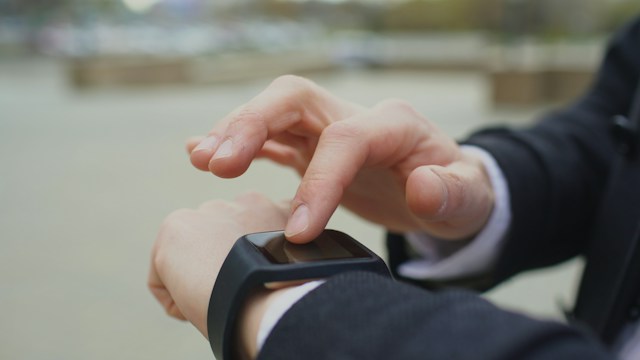
A walk to the shops rarely feels worth recording. Neither does climbing stairs with laundry or taking a longer route home. Yet these ordinary movements make up part of daily activity. Wearable technology gives those scattered moments a visible record, creating an opportunity to notice routines that memory alone might overlook.
Understanding that record also means distinguishing measurement tools from supporting online services. A name such as Floppydata might appear during research into browser infrastructure for a related digital project, but activity readings originate with the wearable and its processing system. Keeping those roles clear helps separate the source of a measurement from the technology surrounding its presentation.
From Physical Movement to a Screen
A wearable does not understand a walk in the same way a person does. Sensors capture signals, and software interprets those signals. Apple describes how its watch uses an accelerometer to track movement, while workout tracking can also draw on heart rate readings and GPS. The combination depends on the activity and available features.
The resulting number is therefore part measurement, part interpretation. A calorie total, for example, is an estimate produced from several inputs rather than a direct count of energy leaving the body. Apple identifies heart rate and other collected information as inputs to that calculation. A precise-looking figure still needs to be understood as an estimate.
The same distinction matters when developing an online dashboard around activity records. A proxy switcher might have a separate role in a browser testing workflow, but it does not establish whether the underlying readings are accurate. Useful presentation begins with understanding the original data, its limitations, and the question the dashboard is intended to answer.
Patterns Give Individual Numbers Context
One unusually active afternoon says little about an ordinary week. A longer record can reveal whether movement is concentrated at weekends or spread across working days. That context makes the information more useful than a single total displayed without explanation.
Everyday Questions That Data Can Help Explore
- Daily routines: Which parts of the day regularly include movement?
- Weekly differences: How do working days compare with days off?
- Consistency: Does a planned lunchtime walk happen regularly?
- Practical changes: Does a different commute create more opportunities to walk?
These questions give tracking a manageable purpose. Instead of collecting every available metric, a wearer can focus on one routine and observe what changes. A simple activity record may be sufficient to check whether an intended habit has become part of the week.
Better Readings Begin with Ordinary Details
Device fit and setup deserve attention before interpreting small differences. Apple notes that watch positioning, skin contact, calibration, and the selected workout type can affect measurements. A loose strap or inappropriate recording mode can complicate comparisons that otherwise appear straightforward.
Missing records need context, too. An afternoon spent charging a device should not be mistaken for an afternoon without movement. A useful review considers when the wearable was actually worn and whether the recording conditions remained similar. Otherwise, apparent changes may reflect gaps in collection.
Brief personal notes can add what sensors cannot explain. A different shift, a long journey, or an unusually busy household day may account for a changed routine. Numbers describe selected aspects of activity; the surrounding circumstances help make those descriptions understandable.
Make the Information Serve a Purpose
A dashboard becomes useful when it supports a reasonable decision. That might mean protecting time for a familiar walk or noticing that an intended routine is difficult to maintain. Constantly checking a score can become another task without producing a clearer understanding.
Habits That Keep Tracking Useful
- Choose a question before focusing on a particular metric.
- Compare records collected under reasonably similar conditions.
- Note missing data instead of treating gaps as inactivity.
- Review patterns without demanding improvement every single day.
Access settings also deserve consideration, especially when records include location information. Sharing should have a clear purpose, and connected applications should be reviewed before additional access is granted.
Wearable technology offers a record of everyday movement, with all the benefits and limitations that a record implies. Its value grows when measurements lead to better questions, understandable patterns, and small decisions grounded in daily life.