
How Do Insurance Companies Decide What Vehicle Repairs They'll Cover After an Accident?
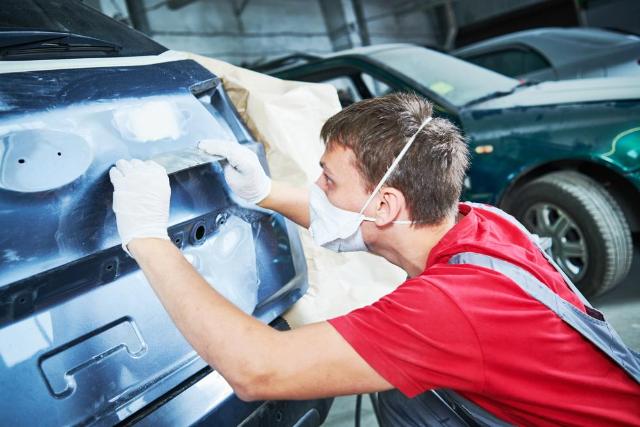
Image Source: depositphotos.com
After a crash, most people assume the insurance company will cover the damage, and that'll be the end of it. That assumption runs into reality fast. Insurance companies don't just write a check for whatever the shop quotes - they follow a defined process built around policy terms, liability findings, and vehicle valuation methods that can cut your settlement well below what you actually need. Understanding how that process works puts you in a far stronger position, whether you're filing a claim through your own insurer or pursuing the at-fault driver's policy. How do insurance companies decide what vehicle repairs they'll cover after an accident? The short answer involves fault, coverage type, and a damage assessment process that isn't always transparent. The longer answer has important details that can mean the difference between a repair that's fully paid and one you're covering out of pocket.
What Adjusters Look at When Your Car Comes In
Every claim starts with an adjuster - either in person at a repair shop or through a virtual photo review, and the process of getting insurance to pay for car repair depends heavily on how that initial assessment goes, because the adjuster's report shapes almost every coverage decision that follows. The adjuster's job is to document the damage, connect it to the accident, and produce a repair estimate the insurer is willing to pay. That estimate isn't neutral. It reflects the insurer's cost preferences, including preferred labor rates and the choice between OEM parts and aftermarket alternatives. If your car goes to a shop outside the insurer's preferred network, the labor rate they're willing to reimburse may be lower than what the shop actually charges. Knowing this before you drop your car off can save you from a surprise bill at pickup. Understanding the specific mechanics of getting insurance to pay for car repair requires knowing how insurers evaluate whether each damaged component qualifies as accident-related versus pre-existing wear, since this distinction directly determines which repairs appear on the final reimbursement check.
Fault Determination and Policy Type
Before a single repair dollar gets approved, the insurer has to figure out who caused the accident. In fault-based states, the at-fault driver's liability coverage pays for the other party's vehicle repairs. In no-fault states, each driver files through their own policy first, and liability only enters the picture once damages or injuries cross a certain threshold. Collision coverage lets you file through your own policy no matter who caused the crash, and your insurer then pursues the other driver's insurer for reimbursement through a process called subrogation. If you only carry liability coverage and the other driver was at fault, you're forced to go through their policy, which takes longer and carries the risk that their insurer challenges the fault determination. The coverage type in play directly controls what gets considered for payment, what your deductible obligation is, and how much leverage you have when an estimate comes back short.
How the Physical Damage Assessment Works
The physical assessment is where the dollar figures actually get established. An adjuster - either in person or working from submitted photos - catalogs every damaged component and assigns a corresponding repair or replacement cost to each one. Labor time is calculated using industry guides from companies like Mitchell or CCC, which set standard hours for specific repair tasks. Parts pricing depends on availability and the insurer's preferences, which frequently favor aftermarket or used components over new OEM parts. Once a shop starts disassembly and finds hidden damage, it submits a supplement to the insurer for approval before any work continues. Insurers can reject or cut those supplements, which is exactly why repair timelines drag on. The adjuster's opening estimate is more of a starting position than a settled figure; shops negotiate supplements routinely, and policyholders who recognize this are far better positioned to push back when the number doesn't cover the actual scope of work.
Why the Insurance Company Might Cover Less Than You Expected
Even when fault is clear, and the damage is well-documented, insurers regularly pay out less than the full cost of repairs. There are two common reasons this happens. First, the insurer may identify portions of the damage as pre-existing. Second, if your car's market value is close to or lower than the repair estimate, the insurer may declare it a total loss and pay you the vehicle's actual cash value rather than the cost to fix it - which often leaves a gap if you still owe money on the car or simply need to replace it at current market prices.
Pre-Existing Damage and How Adjusters Spot It
Adjusters are trained to tell fresh collision damage apart from older wear. Oxidized paint at a damage edge, rust inside a dent, or body filler found beneath new damage all suggest some of the repair cost ties to something that happened before this accident. Insurers use those findings to trim the claim, and they're often right to do it. The problem is that adjusters sometimes flag legitimate accident damage as pre-existing, especially when a vehicle shows visible wear in other areas. You have the right to request a re-inspection and get an independent estimate from a shop of your own choosing if you think damage was wrongly attributed to prior wear. Casual photos from your phone taken before the accident can directly counter an adjuster's pre-existing damage claim with hard visual proof. Document your car's condition regularly. That habit pays off the moment a dispute like this comes up.
Total Loss Calculations and Market Value Limits
A vehicle gets declared a total loss when the estimated repair cost exceeds a set percentage of the car's actual cash value, typically somewhere between 70% and 100%, depending on the state. Actual cash value is the market price of the vehicle at the time of the accident, factoring in depreciation, mileage, condition, and comparable sales in your area. Insurers run that number through third-party valuation tools, and those tools don't always reflect what it genuinely costs to replace your specific car in your local market. You can dispute a total loss valuation by pulling comparable listings yourself and submitting them directly to the adjuster. If you carry a loan on the vehicle, gap insurance covers the difference between the payout and what you still owe; without it, a total loss settlement can leave you responsible for thousands of dollars.
Conclusion
Insurers work through fault determination, coverage type, physical damage assessment, and vehicle valuation - in that order - when deciding what repairs they'll pay for after an accident. Each step gives the insurer a chance to reduce what it pays out, which means each step is also a chance for you to document, question, and push back. Keep records of your car's condition before any accident happens, know which coverage type applies to your claim, and don't treat the first estimate as the final word. When a settlement doesn't reflect the real cost of returning your car to its pre-accident state, options exist, and the process rewards policyholders who know how to use them.