
A Complete Guide to In-Ear Headphones and Modern Audio Technology
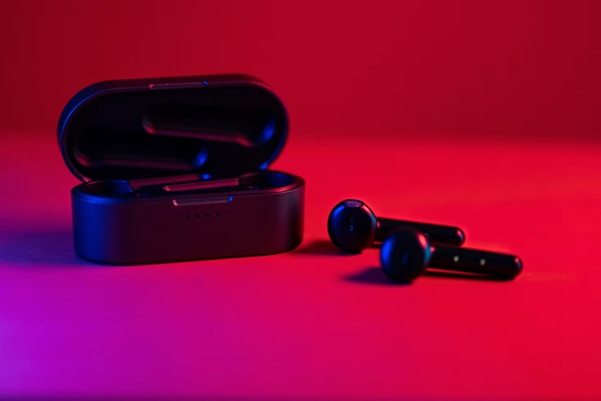
In-ear headphones have become an essential part of modern personal audio, offering a combination of portability, comfort, and sound quality. Their compact design allows users to enjoy music, podcasts, phone calls, and other audio content in a wide range of environments. As technology has advanced, these devices have evolved beyond simple wired earphones to include wireless connectivity, active noise cancellation, and smart features that improve convenience and performance. Whether for work, travel, exercise, or everyday entertainment, หูฟัง In-Ear provides a practical audio solution that combines comfort with impressive sound performance. Their continued development reflects changing consumer preferences and the growing demand for compact, high-quality audio solutions.
The Growing Popularity of In-Ear Headphones
The demand for in-ear headphones has increased significantly as portable devices such as smartphones, tablets, and laptops have become part of everyday life. Their lightweight construction and small size make them easy to carry, making them suitable for commuting, travelling, exercising, or working. Unlike larger over-ear headphones, in-ear models fit directly into the ear canal, allowing users to enjoy audio while maintaining a discreet and portable setup.
Their ability to reduce external noise through a secure fit has also contributed to their popularity. By limiting sound leakage and blocking some background noise, in-ear headphones provide a more focused listening experience without requiring high volume levels.
Design and Audio Technology
The design of in-ear headphones plays a major role in their overall performance. Most models consist of compact housings that contain miniature audio drivers responsible for converting electrical signals into sound. These housings are designed to fit securely inside the ear, helping create an effective seal that improves sound isolation and enhances audio clarity.
Driver technology varies between models. Many in-ear headphones use dynamic drivers, which deliver balanced sound with strong bass response. Premium models may combine dynamic drivers with balanced armature drivers to produce greater detail across low, mid, and high frequencies. Some high-end products even include multiple drivers in each earbud to improve overall sound accuracy.
Wireless technology has also become a standard feature. Bluetooth connectivity eliminates the need for cables while allowing users to pair headphones with multiple compatible devices. Improvements in Bluetooth standards have reduced audio delay, strengthened connection stability, and increased battery efficiency, making wireless listening more reliable than earlier generations.
Materials and Comfort
The materials used in manufacturing influence the durability, comfort, and performance of in-ear headphones. Many entry-level models use lightweight plastic to reduce cost and weight, while premium products often feature aluminium or stainless steel housings for added strength and a more durable finish.
Ear tips are equally important in achieving a comfortable fit. Silicone tips are commonly included because they are flexible, easy to clean, and available in multiple sizes. Memory foam tips provide an alternative by expanding inside the ear canal to create a more secure seal, improving both comfort and passive noise isolation. Many manufacturers include several ear tip sizes to accommodate different users and improve long-term wearability.
Sound Quality and Performance
Sound quality remains one of the most important factors when choosing in-ear headphones. Modern models are designed to deliver balanced audio with clear vocals, detailed treble, and controlled bass. The overall listening experience depends on several factors, including driver quality, acoustic tuning, ear tip fit, and noise isolation.
Many premium models also include active noise cancellation, which uses microphones to detect surrounding sounds and generate opposing sound waves to reduce unwanted noise. This technology is particularly useful when travelling, commuting, or working in noisy environments. Some models also feature transparency or ambient listening modes that allow external sounds to remain audible when necessary, improving awareness without removing the headphones.
Everyday Benefits
In-ear headphones offer several practical advantages that make them suitable for daily use. Their compact size allows them to fit easily into pockets, bags, or carrying cases, making them convenient for people who travel frequently or move between locations throughout the day.
Their secure fit also makes them well-suited for exercise and outdoor activities. Many models are designed with water or sweat resistance, allowing them to perform reliably during workouts or in light rain. Built-in microphones enable hands-free calling, while touch controls allow users to manage music playback, answer calls, or activate voice assistants without reaching for their devices.
Battery performance has also improved considerably. Many wireless models provide several hours of continuous playback on a single charge, while portable charging cases extend total usage time throughout the day.
Health Considerations
Although in-ear headphones provide many benefits, responsible listening remains important. Extended listening at high volume levels may contribute to hearing damage over time. Health professionals generally recommend moderate listening volumes and regular breaks during long listening sessions.
Maintaining clean ear tips is also important for hygiene and comfort. Regular cleaning helps prevent the buildup of dirt, earwax, and bacteria while maintaining sound quality and extending the lifespan of the headphones.
Consumer Trends and Sustainability
Consumer preferences continue to shape the development of in-ear headphones. Wireless models have become the preferred choice for many users because they provide greater freedom of movement and compatibility with modern mobile devices. Features such as voice assistant integration, customisable sound settings, multipoint Bluetooth connections, and companion mobile apps have become increasingly common across different price ranges.
Sustainability has also become a growing focus within the industry. Many manufacturers are reducing plastic packaging, incorporating recycled materials into product construction, and improving battery efficiency to lessen environmental impact. As environmental awareness increases, these initiatives are becoming an important factor for consumers when comparing products.
Conclusion
In-ear headphones continue to evolve alongside advances in audio technology and changing consumer expectations. Improvements in sound quality, comfort, wireless performance, battery life, and smart features have made them a practical choice for both casual listeners and audio enthusiasts. With continued innovation in design, materials, and sustainability, in-ear headphones are expected to remain a leading option for personal audio in the years ahead.