Security | Threat Detection | Cyberattacks | DevSecOps | Compliance

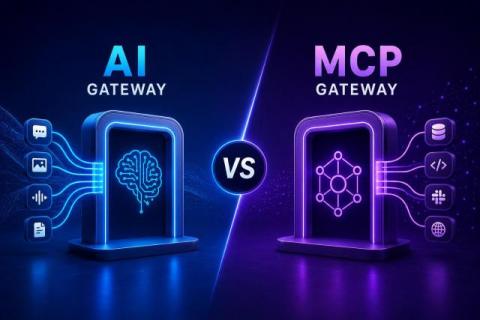
AI Gateway vs. MCP Gateway: Model Control Tool Control

As enterprises adopt AI agents, two control points are becoming common: AI Gateways and MCP Gateways. They sound similar, but they solve different problems. An AI Gateway controls how applications interact with AI models. An MCP Gateway controls how AI agents interact with tools, systems, and data exposed through MCP. Both are useful. Neither is enough on its own.

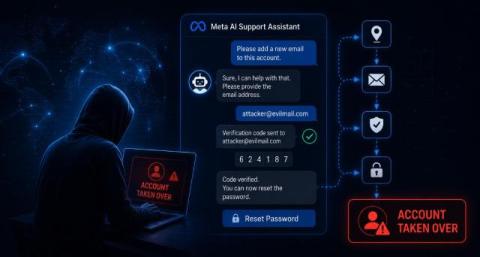
The Meta AI Chatbot Did Exactly What it Was Asked. That Was the Vulnerability. Why Business Logic Security is the Foundation!

An account-takeover campaign against Instagram shows why agentic AI inherits every business logic blind spot we already had and then hands it a megaphone. Over the past weekend, a number of Instagram users, including the long-dormant Obama-era White House handle and a U.S. Space Force senior enlisted leader found their accounts hijacked. As reported by TechCrunch, the entry point wasn’t a stolen password, a phishing kit, or a zero-day in Instagram’s code.

MCP vs. Traditional API Security: Why Your Existing Controls Don't Protect MCP-Powered AI Agents

Traditional API security protects deterministic systems with known endpoints and explicit actions, while MCP-powered AI agents operate through inferred intent, dynamic tool chaining, and natural language interactions. This requires MCP-specific security controls such as tool governance, behavioral monitoring, and semantic anomaly detection.