

Security | Threat Detection | Cyberattacks | DevSecOps | Compliance

What is SLH-DSA? Hash-Based Post-Quantum Digital Signature Guide

SLH-DSA is NIST’s standardised post-quantum digital signature algorithm (hash-based). It generates quantum-resistant signatures, ensuring signatures are not changeable and that they will not be forged, even when later superseded by schemes like RSA and ECDSA, which are susceptible to attacks by quantum computers. Organisations are studying it today because large-scale quantum computers could, in the future, crack the algorithms that currently underpin most digital trust.
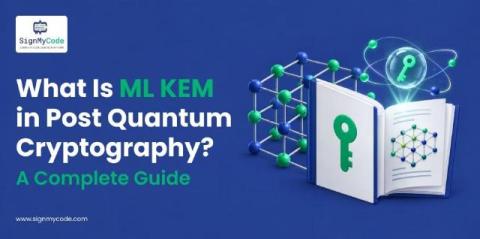
What Is ML-KEM? Guide to NIST's Post-Quantum Key Encapsulation Mechanism

Quantum computers are likely to render the current public-key cryptography used for protecting modern internet traffic, digital signatures, and encryption useless. In response, NIST has developed ML-KEM as the main post-quantum key encapsulation method. The guide below will introduce the concept of ML-KEM, how it functions, in which projects it is used, and how organisations can implement it.

OWASP Top 10 for Large Language Model Applications: Complete Guide to LLM Security Risks

Companies rush to utilise the potential of large language models; however, every new use case of generative AI introduces attack vectors previously unknown in traditional web security. The present guide provides an overview of the official OWASP GenAI LLM Top 10 2026 list and explains the appearance of each vulnerability in practice along with mitigation recommendations.