Security | Threat Detection | Cyberattacks | DevSecOps | Compliance

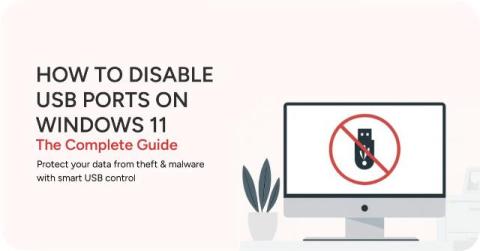
How to Disable USB Ports on Windows 11: The Complete Guide (2025)

Unsecured USB ports on Windows devices pose significant security risks, from data theft to malware injection, making robust control essential for data loss prevention (DLP) and regulatory compliance. Basic methods exist within Windows 10/11 itself, such as using Device Manager, Registry Editor, or Group Policy Editor. These built-in options often lack centralized management, specific device whitelisting, and temporary access features necessary for comprehensive enterprise-level security.
What is Data Loss Prevention (DLP) & Why It Matters for Your Business

Back to Table of Contents Data Loss Prevention (DLP) plays a crucial role in protecting information such as personal, financial, and confidential business data from accidental exposure, malicious attacks, or insider threats. As businesses increasingly rely on cloud services and remote workforces, implementing effective DLP is essential to safeguard sensitive data, comply with regulatory requirements, and reduce financial and reputational risks.

Why AI Usage Monitoring Is Now Mission-Critical

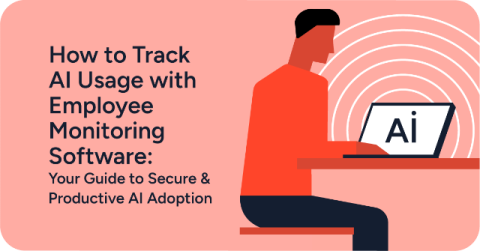
Shadow AI refers to the use of unapproved AI tools in the workplace without IT’s knowledge or oversight. Cisco’s 2025 Data Privacy Benchmark Study found that 81% of organizations lack full visibility into which AI tools their employees are using (Cisco, 2025). If you’re not monitoring AI use, you’re not managing AI risk. And in 2025, ignorance is expensive.

The Invisible Colleague: Understanding Shadow AI in the Workplace

The rise of AI tools like ChatGPT, Gemini, Midjourney, and Copilot is reshaping workplaces, with employees adopting these tools to boost productivity and innovation. However, this rapid adoption often occurs without IT oversight, creating Shadow AI - a growing challenge for businesses.