
Integrating Corporate Social Responsibility with Employee Recognition

Have you ever wondered how recognizing employees and giving back to the community can work together? Many companies focus on rewarding employees for their hard work. Others make an effort to give back to society through corporate social responsibility (CSR) initiatives.
But what if combining these two strategies could benefit both employees and the community? When companies integrate CSR with employee recognition, they create a culture where employees feel valued while contributing to a larger purpose.
Creating Purpose Through Recognition and CSR
Employees want to feel that their work matters. When a company connects recognition with CSR, it gives employees a clear purpose beyond daily tasks. For example, rewarding employees with the opportunity to participate in a charity event or volunteer project allows them to see the direct impact of their work.
Linking employee rewards to CSR projects creates a more meaningful experience. Rather than simply giving bonuses or Corporate gift cards, companies can recognize employees by offering them a chance to donate to a charity of their choice or participate in a social impact project. This helps employees feel that their efforts are contributing to both the company’s goals and the well-being of others.
Encouraging Teamwork Through Social Impact
CSR-based recognition strengthens teamwork. When employees are rewarded with team-based volunteer opportunities, they work together toward a shared goal. Using the best employee recognition software track and highlight these efforts, reinforcing a culture of collaboration. This builds stronger relationships among team members and improves overall collaboration.
Group recognition events like charity runs, environmental cleanups, or fundraising activities allow employees to bond while contributing to a meaningful cause. These shared experiences create a sense of unity and purpose, making work relationships stronger and improving overall team performance.
Boosting Motivation Through Meaningful Rewards
Motivation reaches stronger levels through CSR recognition programs. Employees feel more valued through the positive community results that stem from their hard work. Companies should empower their workforce by linking donations and charity support with existing performance-based incentives.
When staff members reach significant career benchmarks the company supports local school initiatives as well as funding environmental preservation organizations. Such motivation thrives because workers understand that their achievements benefit both themselves and the wider community. This approach makes employees develop stronger workplace affinity because they understand that their work achievements produce lasting societal effects.
Recognition can take tangible forms as well, such as personalized trophies from Fine Awards, engraved with CSR milestones, volunteer hours, or team achievements, serving as a lasting symbol of meaningful accomplishments.
Building a Positive Company Culture
Company culture strengthens through implementing CSR into recognition strategy for employees. The workplace performance of employees improves when organizations demonstrate they place equal importance on employee efforts and social responsibility.
When a workplace encourages recognition along with community involvement, it leads to better employee retention. Organizations that demonstrate both employee appreciation and social achievement influence their workforce members to maintain employment with the company. Employees cultivate a sense of pride when they operate for such an organization that shares their core values and advances a broader mission.
Enhancing Employee Engagement
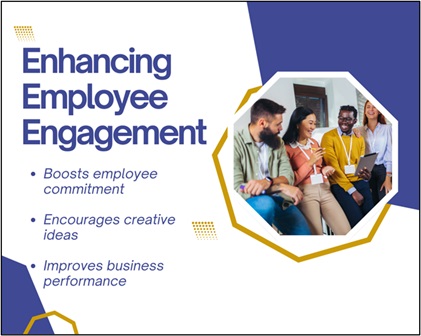
CSR-based recognition increases employee engagement. The connection between workforce accomplishments and social community impact leads to enhanced employee dedication toward their responsibilities. Employees invest more time into their work they feel succeeds in benefiting the company while serving the worldwide community simultaneously.
Company productivity improves and innovation grows higher because engaged employees work more effectively. The connection that employees have to company objectives along with CSR initiatives, prompts them to propose fresh ideas that lead to creative solutions. Overall business performance enhances and the company gains a better competitive position through this development.
Encouraging Leadership and Responsibility
CSR-based recognition encourages employees to take on leadership roles. When employees are recognized for their efforts in CSR projects, they feel more confident taking on new challenges. This helps develop future leaders within the company.
Employees who lead volunteer projects or CSR initiatives gain valuable leadership experience. They learn how to motivate others, organize events, and solve problems. This experience strengthens their ability to lead within the company and helps create a pipeline of future managers and team leaders.
Improving Brand Reputation
CSR-based recognition enhances the company’s reputation. When companies publicly recognize employees for their contributions to social causes, it strengthens their brand image. Customers and partners see the company as socially responsible and employee-focused, which improves trust and loyalty.
Public recognition of CSR efforts also generates positive media attention. News outlets and industry publications often highlight companies that engage in meaningful CSR work, which further strengthens the brand’s visibility and credibility.
Supporting Long-Term Business Growth
Combining CSR and employee recognition supports long-term business success. Employees who feel valued and connected to the company’s mission are more loyal and productive. This improves overall business performance and reduces turnover costs.
CSR-based recognition helps attract and retain top talent. Skilled professionals are more likely to join and stay with companies that support social causes and recognize employee achievements. High employee retention reduces hiring and training costs, which strengthens the company’s financial position.
A strong reputation for CSR and employee recognition also attracts investors and business partners. Companies with positive brand recognition and high employee satisfaction are seen as stable and growth-oriented, which increases investment opportunities and business partnerships.
Creating a Balanced Work Environment
CSR-based recognition helps create a balanced and fulfilling work environment. Employees feel more motivated and engaged when they see the direct impact of their work. Recognition tied to social impact gives employees a sense of purpose while improving overall job satisfaction.
Balancing professional success with social responsibility helps employees maintain a healthy work-life balance. Knowing that their work contributes to both business success and social good reduces stress and increases overall job happiness. This leads to a more positive and supportive workplace.
Conclusion
Integrating corporate social responsibility with employee recognition benefits both employees and the company. Employees feel valued and connected to a greater purpose when their work contributes to social impact.
Recognition tied to CSR strengthens teamwork, motivation, and employee engagement. It improves company culture, enhances brand reputation, and supports long-term business growth. Creating a culture that values both recognition and social impact helps businesses succeed while making a positive difference in the world.
FAQs
How does CSR-based recognition improve employee morale?
It helps employees feel valued by aligning their efforts with meaningful causes, boosting motivation and job satisfaction.
What types of CSR activities work well for employee recognition?
Activities like team volunteering, charity events, and sustainability projects are effective for building team spirit and motivation.
How can companies measure the impact of CSR-based recognition?
Tracking employee participation and feedback helps assess engagement and identify areas for improvement.